
Is Noodle Soup Gluten Free?
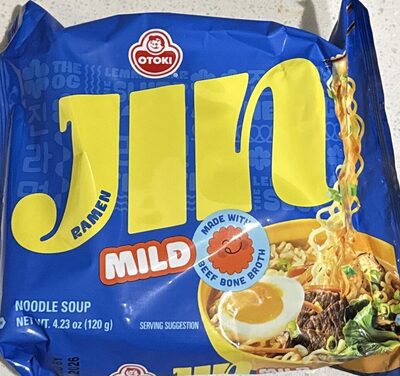
No, Noodle Soup is not gluten-free. Despite the simple name, the ingredient list reveals a heavy reliance on wheat-based products, making it unsuitable for anyone with Celiac disease or gluten intolerance. In this investigative analysis, we will break down exactly why this product fails the gluten-free test and examine its nutritional profile.
The Ingredient Breakdown
As a food scientist, the first thing I look for in a product like this is the primary structural component of the noodle. In this case, the first ingredient listed is wheat flour. This is the immediate disqualifier. Wheat flour contains high levels of gluten, a protein that gives noodles their chewiness but causes severe immune reactions in sensitive individuals.
However, the gluten content doesn't stop with the flour. The ingredient list explicitly includes wheat gluten. This is often added to wheat-based noodles to increase the protein content and improve the texture, essentially doubling down on the gluten load.
We must also analyze the seasoning packets and flavor enhancers. You will find soy sauce listed multiple times. Traditional soy sauce is brewed using wheat as a fermenting agent. Unless a product specifically states 'Tamari' or 'Certified Gluten-Free,' soy sauce is a hidden source of gluten. Furthermore, ingredients like textured vegetable protein are listed with the specific note that they contain wheat. Even the yeast extract is derived from barley or wheat sources.
Finally, the modified tapioca starch is the only starch source that is naturally gluten-free, but it is used here as a binder alongside the dominant wheat ingredients. Because the manufacturing facility likely processes wheat on the same lines, there is also a high risk of cross-contamination, though the presence of pure wheat ingredients is enough to render the product unsafe for a gluten-free diet.
Nutritional Value
From a nutritional standpoint, this Noodle Soup is designed for convenience rather than health optimization. The broth base relies heavily on sodium sources, including salt, disodium inosinate, and disodium guanylate. A single serving likely contains a significant portion of the recommended daily sodium intake, which can be a concern for those monitoring blood pressure.
The flavor profile is boosted by monosodium glutamate (MSG) and various hydrolyzed proteins. While MSG is generally recognized as safe by the FDA, it can trigger sensitivity in some people, leading to headaches or flushing. The product also contains palm oil, a saturated fat that provides the mouthfeel of the broth but adds to the overall saturated fat content without offering significant nutritional benefits.
Regarding sugar, ingredients like glucose and corn syrup are present, usually to balance the saltiness and acidity. While the calorie count per serving might be moderate, the 'empty calories' from refined carbohydrates and the high sodium content make this a food that should be eaten sparingly, rather than as a staple in a balanced diet.
Frequently Asked Questions
Does Noodle Soup contain dairy or gluten?
Is Noodle Soup good for weight loss?
Where can I buy Noodle Soup?
Is Noodle Soup safe for kids?

Noodle Soup
Gluten Free Analysis
We recommend searching for certified Gluten Free alternatives.
Pro Tip
Always double-check the label. Manufacturers change ingredients frequently without notice!