
Is Organic 1% lowfat milk, chocolate Keto?
If you are strictly following a ketogenic diet, you should avoid Organic 1% lowfat milk, chocolate. While the organic certification is a plus for many, this specific product fails the keto test due to two major factors: the inclusion of added sugar and the reduction of natural milk fat. The added cane sugar spikes blood glucose, while the low-fat processing removes the satiating fats necessary for keto success.
The Ingredient Breakdown
As a food scientist, looking at the ingredient list of Organic 1% lowfat milk, chocolate reveals why it is incompatible with a low-carb lifestyle. The primary issue lies in the sweeteners and the fat content.
First, let's look at the sweetener: organic fair trade unrefined cane sugar. On a keto diet, the goal is to limit net carbohydrates, typically to under 20-50 grams per day. Cane sugar is a pure carbohydrate that provides roughly 4 grams of carbs per teaspoon. Unlike artificial sweeteners or natural non-nutritive sweeteners like stevia or erythritol, cane sugar has a high glycemic index, meaning it will cause an immediate insulin response, effectively taking you out of ketosis.
Second, the base is organic grade a lowfat milk. Standard whole milk contains roughly 3.25% milk fat. By processing this down to 1%, the manufacturer has stripped away the majority of the fat. Since keto is a high-fat, moderate-protein, and very low-carb diet, removing the fat makes the macronutrient ratio wrong for the diet. You are left with the lactose (milk sugar) without the balancing fat.
Finally, the texture is maintained using gellan gum. This is a hydrocolloid thickener. It is used here because when you remove fat from milk, it becomes watery and thin. The gellan gum restores the mouthfeel to mimic a creamier texture, but it does not add the actual fat or calories needed for keto. It is generally considered keto-safe in small amounts, but it is a sign of a highly processed product designed to trick the palate.
Nutritional Value
When evaluating the nutritional profile for keto, we look at the 'net carbs' (Total Carbs minus Fiber). A standard serving of this chocolate milk likely contains around 20-25 grams of sugar per cup. This is essentially the entire carbohydrate budget for a strict keto dieter in one beverage.
The 1% fat content is also problematic. Keto relies on dietary fat for energy. A beverage that is low in fat but high in sugar (relative to the diet) is the exact opposite of what is required. While the product is fortified with Vitamin A Palmitate and Vitamin D3 to replace nutrients lost during processing, these vitamins do not impact the carbohydrate count or the keto suitability.
From a caloric standpoint, the sugar contributes empty calories. For weight management, which is often a goal of keto, this product offers high sugar without the satiety of fat, potentially leading to hunger spikes later.
Frequently Asked Questions
Does Organic 1% lowfat milk, chocolate contain dairy or gluten?
Is Organic 1% lowfat milk, chocolate good for weight loss?
Where can I buy Organic 1% lowfat milk, chocolate?
Is Organic 1% lowfat milk, chocolate safe for kids?



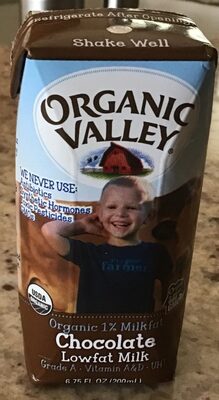
Organic 1% lowfat milk, chocolate
Keto Analysis
We recommend searching for certified Keto alternatives.
Pro Tip
Always double-check the label. Manufacturers change ingredients frequently without notice!