
Is Organic 1% lowfat milk Halal?
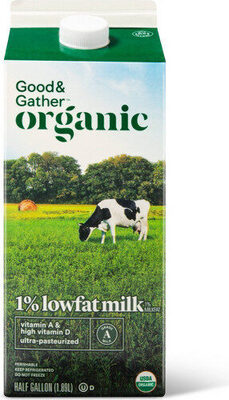
Yes, Organic 1% lowfat milk is Halal. This product consists primarily of pasteurized organic milk fortified with essential vitamins, containing no ingredients derived from animals other than the milk itself, nor any alcohol or intoxicants. It is a safe and permissible choice for those adhering to Halal dietary guidelines.
The Ingredient Breakdown
When determining if a dairy product is Halal, we must look beyond the primary ingredient and inspect the additives and processing aids. For Organic 1% lowfat milk, the ingredient list is remarkably short and clean, which is excellent news for Halal consumers.
The primary ingredient is Grade A Organic Milk. In the context of Halal, milk is inherently permissible (Halal) provided it comes from an animal that is permissible to eat (such as a cow, goat, or sheep) and is not mixed with any impure substances. Since this is standard organic milk, it meets these criteria. The 'organic' label further ensures the cow was not treated with growth hormones or antibiotics prohibited by organic standards, though standard veterinary care is permitted in Islam if the animal eventually recovers.
The additives listed are Vitamin A Palmitate and Vitamin D3. These are standard fortification ingredients added to lowfat milk to replace nutrients lost during the skimming process. Vitamin A is usually derived from plant sources (like palm oil) or synthetic production, both of which are Halal. Vitamin D3 is typically derived from lanolin (sheep's wool) or lichen. While lanolin is an animal byproduct, the extraction process yields a vitamin supplement, which is generally considered permissible (Halal) by most scholars as it is not a flesh or blood product and is used for nutritional necessity. There are no flags found in these ingredients regarding alcohol, pork, or hidden animal enzymes.
Nutritional Value
From a nutritional standpoint, Organic 1% lowfat milk strikes a balance between health and dietary restrictions. A standard cup (240ml) typically contains approximately 100 to 110 calories. This makes it an excellent option for those monitoring their caloric intake while still seeking the satiety that comes from dairy protein.
In terms of macronutrients, the '1%' designation refers to the fat content, which usually hovers around 2.5 grams per cup. This is significantly lower than whole milk (8g fat) but higher than skim milk (0g fat), offering a creamy texture without the heavy fat load. It also provides about 8 grams of protein, which is vital for muscle repair and growth. Regarding sugar, organic milk naturally contains lactose (roughly 12g per cup), but it does not contain added refined sugars, which aligns well with clean-eating and Halal-conscious diets.
Frequently Asked Questions
Does Organic 1% lowfat milk contain dairy or gluten?
Is Organic 1% lowfat milk good for weight loss?
Where can I buy Organic 1% lowfat milk?
Is Organic 1% lowfat milk safe for kids?
Pro Tip
Always double-check the label. Manufacturers change ingredients frequently without notice!