
Is Organic Bulgarian Yogurt Vegan?
No, Organic Bulgarian Yogurt is not vegan. As a dairy product, it is derived entirely from animal milk, making it unsuitable for a plant-based diet. While it is a nutrient-dense food rich in protein and probiotics, strict vegans must avoid it.
The Ingredient Breakdown
To understand why this yogurt is not vegan, we must look at its simple, traditional ingredient list. The product is defined by two main components: dairy and live cultures.
The primary ingredient is Grade A pasteurized organic whole milk. This is the fundamental flag for veganism. Regardless of whether the milk is organic, raw, or whole, it is an animal byproduct. The 'organic' certification ensures the cows were raised without synthetic hormones or antibiotics and had access to pasture, but it does not change the biological source of the ingredient. For vegans, the use of animal milk is the primary exclusion criterion.
The second set of ingredients consists of live cultures, specifically L. acidophilus, L. bulgaricus, and S. thermophilus. These are specific strains of bacteria used to ferment the milk. While the bacteria themselves are microorganisms and not animal products, they function within the dairy medium. In the yogurt-making process, these cultures consume the lactose (milk sugar) and convert it into lactic acid, which thickens the milk and creates the yogurt's signature tang. Because these cultures require milk to thrive and create the final product, the resulting yogurt remains a dairy item.
Nutritional Value
While not suitable for vegans, Organic Bulgarian Yogurt offers a robust nutritional profile, particularly for those who consume dairy. Because it is made from whole milk, it contains a higher fat content than non-fat or low-fat varieties. This fat content contributes to a creamier texture and increased satiety, which can help with appetite control.
In terms of macronutrients, it is an excellent source of high-quality protein, essential for muscle repair and growth. It is also rich in calcium and potassium. The specific fermentation process involving L. bulgaricus and S. thermophilus is known to break down some of the lactose, making it potentially easier to digest for individuals with mild lactose sensitivity (though it is not safe for those with a milk allergy). The sugar content is naturally occurring lactose, which is generally lower than the added sugars found in flavored yogurts, making it a healthy choice for those monitoring sugar intake.
Frequently Asked Questions
Does Organic Bulgarian Yogurt contain dairy or gluten?
Is Organic Bulgarian Yogurt good for weight loss?
Where can I buy Organic Bulgarian Yogurt?
Is Organic Bulgarian Yogurt safe for kids?



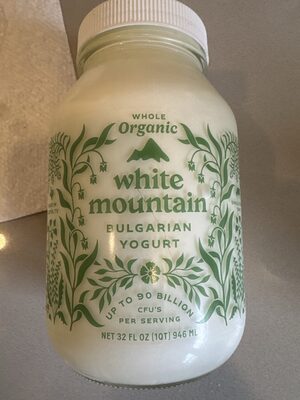
Organic Bulgarian Yogurt
Vegan Analysis
We recommend searching for certified Vegan alternatives.
Pro Tip
Always double-check the label. Manufacturers change ingredients frequently without notice!