
Is organic buttery plant based spread Vegan?
The short answer is: **Maybe**. While this organic buttery plant based spread is free from dairy, eggs, and other obvious animal products, one specific ingredient raises a red flag for strict vegans. Let's break down the label to see if this spread fits your ethical lifestyle.
The Ingredient Breakdown
At first glance, the ingredient list for this organic buttery plant based spread looks promising. The base is a blend of organic oils—coconut oil, palm fruit oil, canola oil, sunflower oil, and flaxseed oil. These are all derived from plants, providing the rich texture and fat content necessary for a butter substitute. The addition of water and sea salt is standard and completely vegan.
The potential issue lies in the organic natural flavor. In the food industry, 'natural flavor' can be a vague term. While it often refers to plant-derived compounds used to mimic a taste—in this case, a buttery flavor—it can technically be sourced from animal products. To achieve a truly buttery profile without actual butter, manufacturers sometimes use trace amounts of dairy derivatives or animal-based fermentation byproducts. Because the source isn't explicitly stated, we cannot guarantee this product is 100% vegan without contacting the manufacturer directly.
On a positive note, the colorant used is organic annatto extract, which comes from the seeds of the achiote tree, and the preservatives (mixed tocopherols and sunflower lecithin) are plant-derived. However, the ambiguity of the natural flavor keeps this product in the 'Maybe' category.
Nutritional Value
From a nutritional standpoint, this spread is designed to mimic the mouthfeel of butter, which means it is high in fat. The blend of organic oils provides a mix of saturated (from coconut and palm oils) and unsaturated fats (from canola, sunflower, and flaxseed). It is generally low in carbohydrates and protein, making it a source of energy rather than a significant source of micronutrients.
Because it is plant-based, it contains zero cholesterol, which is a distinct advantage over dairy butter. However, consumers should be mindful of the calorie density. Like traditional butter, a little goes a long way. It fits well into diets that focus on organic ingredients or those looking to reduce dairy intake, but it should be consumed in moderation as part of a balanced diet.
Frequently Asked Questions
Does organic buttery plant based spread contain dairy or gluten?
Is organic buttery plant based spread good for weight loss?
Where can I buy organic buttery plant based spread?
Is organic buttery plant based spread safe for kids?
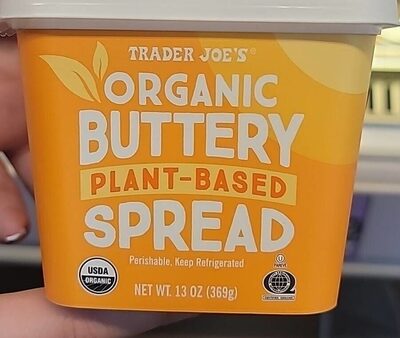
organic buttery plant based spread
Vegan Analysis
We recommend searching for certified Vegan alternatives.
Pro Tip
Always double-check the label. Manufacturers change ingredients frequently without notice!