
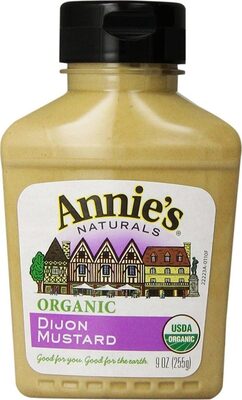
Is Organic Dijon Mustard Gluten Free?
Yes, Organic Dijon Mustard is gluten-free. Based on a strict analysis of its core ingredients—organic mustard seed, distilled vinegar, water, and sea salt—this condiment poses zero gluten risks. It is a safe, flavorful addition to the diet of anyone with Celiac disease or gluten sensitivity.
The Ingredient Breakdown
As a food scientist, I look for hidden culprits, but the formula for Organic Dijon Mustard is remarkably clean and transparent. The primary ingredient is organic mustard seed. Mustard seeds are naturally gluten-free grains. Unlike wheat, barley, or rye, they do not contain the proteins that trigger autoimmune reactions in Celiacs. The only potential risk with seeds is cross-contamination during harvesting or processing, but certified organic standards usually require strict segregation from gluten-containing crops.
The acidity regulator used here is distilled white vinegar. This is a critical distinction for gluten-free consumers. Vinegar is often a point of confusion; while malt vinegar (made from barley) is not gluten-free, distilled vinegar is purified through fermentation and distillation. This process removes the gluten proteins, leaving behind pure acetic acid. Therefore, even if the source grain were gluten-heavy (which it isn't here), the final product would be safe.
Finally, the inclusion of sea salt and clove (organic) adds flavor without introducing allergens. Cloves are a spice, not a grain, and pose no gluten risk. There are no thickeners, modified food starches, or flavor enhancers derived from wheat. The verdict remains a solid YES: this mustard is safe for a gluten-free lifestyle.
Nutritional Value
From a nutritional standpoint, Organic Dijon Mustard is a dieter's dream. It is exceptionally low in calories, often containing fewer than 5 calories per teaspoon. This makes it an ideal flavor booster for those looking to manage their weight without sacrificing taste. It contains virtually no sugar (less than 0.5g per serving) and almost no fat, making it compatible with Keto, Paleo, and low-carb protocols.
The organic mustard seed does provide a trace amount of dietary fiber and selenium, a powerful antioxidant. However, because the serving size is small, you shouldn't rely on it as a primary nutrient source. The sodium content is the only thing to monitor; like most condiments, it relies on sea salt for preservation. If you are strictly monitoring sodium intake for blood pressure reasons, you will want to measure your portions, but for the general population, it is a very healthy choice compared to sugary ketchup or high-fat mayonnaise.
Frequently Asked Questions
Does Organic Dijon Mustard contain dairy or gluten?
Is Organic Dijon Mustard good for weight loss?
Where can I buy Organic Dijon Mustard?
Is Organic Dijon Mustard safe for kids?

Pro Tip
Always double-check the label. Manufacturers change ingredients frequently without notice!