
Is Organic popcorn Gluten Free?
Yes, organic popcorn is naturally gluten-free. Based on a detailed analysis of standard ingredients like organic popcorn kernels, coconut oil, and sea salt, there are no gluten-containing components found. This makes it a generally safe and delicious snack for those avoiding wheat, barley, and rye.
The Ingredient Breakdown
When investigating whether a snack is safe for a gluten-free diet, the source of the kernel is just the beginning. As a food scientist, I look at the processing and additives just as closely as the primary ingredients. Let's break down the typical profile of organic popcorn.
The primary ingredient is, of course, organic popcorn itself. Popcorn is a distinct type of corn (maize) that expands when heated. In its pure, whole form, corn is naturally gluten-free. The "organic" designation ensures that the corn was grown without synthetic pesticides or fertilizers, but it doesn't change the gluten status of the grain itself.
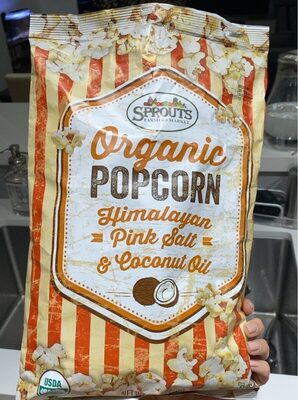
Next, we look at the cooking medium. In the product profile provided, we see organic coconut oil. This is an excellent choice for gluten-free consumers. Unlike some processed oils that might use wheat-based anti-foaming agents or be processed on shared lines with gluten, pure organic coconut oil is safe. It provides a rich flavor and a high smoke point perfect for popping.
Finally, the seasoning: Himalayan pink salt and sea salt. Salt is a mineral, not a grain, so it is inherently free of gluten. While flavored popcorns can be a minefield of gluten-containing additives (like malt vinegar or soy sauce), this specific combination of salts keeps the snack clean and safe.
The Cross-Contamination Caveat: While the ingredients list is clean, the manufacturing environment is the final hurdle. Gluten-free advocates know that "naturally gluten-free" does not always mean "certified gluten-free." If organic popcorn is processed in a facility that also handles wheat crackers or barley-based snacks, there is a risk of airborne flour contamination. However, most reputable organic brands adhere to strict Good Manufacturing Practices (GMP) to minimize this risk.
Nutritional Value
Popcorn is often categorized as a snack food, but nutritionally, it behaves more like a whole grain. A serving of air-popped or lightly oiled organic popcorn is high in fiber and relatively low in calories, making it a voluminous food that helps you feel full.
Regarding the specific ingredients listed, the organic coconut oil does contribute saturated fat. While coconut oil has gained popularity for its medium-chain triglycerides (MCTs), it is still calorie-dense. Portion control is key here; popcorn is healthy until you drown it in butter or oil. The sea salts add sodium, which is something to monitor if you have blood pressure concerns, but the amount used in standard popcorn is usually moderate.
For those on a gluten-free diet, finding satisfying carbohydrates can be difficult. Organic popcorn fits perfectly into this gap. It provides the crunch and volume of cereal grains without the inflammatory properties of gluten. It fits well within the limits of a balanced diet, provided you watch the added fats and salts.
Frequently Asked Questions
Does Organic popcorn contain dairy or gluten?
Is Organic popcorn good for weight loss?
Where can I buy Organic popcorn?
Is Organic popcorn safe for kids?
Pro Tip
Always double-check the label. Manufacturers change ingredients frequently without notice!