
Is Organic Thai Peanut Sauce Halal?
No, this specific Organic Thai Peanut Sauce is not considered Halal. While the ingredients list looks clean and organic at first glance, there is a specific inclusion of alcohol that makes it impermissible for those adhering to strict Halal dietary guidelines. Let's investigate exactly why this popular sauce fails the test and what you should look for instead.
The Ingredient Breakdown
As a food scientist, I look past the marketing claims of "organic" and "natural" to see what is actually in the jar. The primary ingredients—water, organic peanuts, and organic cane sugar—form the base of a classic peanut sauce. However, the devil is in the details, specifically within the organic tamari soy sauce.
The ingredient label explicitly lists the components of this tamari as: water, organic soybeans, salt, and organic alcohol. In the context of Halal dietary laws, the consumption of alcohol (ethanol) is strictly prohibited (Haram), regardless of whether it is synthetic or naturally fermented. Even though the alcohol is organic, it does not change its chemical nature or its status in Islamic dietary jurisprudence. This single ingredient renders the entire product non-Halal.
Furthermore, while xanthan gum and acacia gum are generally considered safe, they are processing aids used to thicken the sauce. In rare cases, acacia gum can be processed using equipment that handles non-Halal ingredients, but the alcohol is the definitive, undeniable flag here. There are no pork derivatives or obvious non-Halal meats, but the alcohol content is sufficient to invalidate the Halal status.
Nutritional Value
From a nutritional standpoint, this sauce is a dense source of energy, primarily derived from organic peanuts and organic cane sugar. A standard serving (usually two tablespoons) typically contains between 70 to 90 calories, with a significant portion coming from fats (mostly unsaturated, heart-healthy fats from the peanuts and sunflower oil) and carbohydrates (sugars).
The sugar content is a key consideration for those monitoring their glycemic index. With organic cane sugar listed high on the ingredient list, this sauce will spike blood sugar levels. It fits into a diet focused on whole foods, but portion control is essential. It is relatively low in sodium compared to standard commercial sauces, but the sugar remains the primary nutritional concern for weight management.
Frequently Asked Questions
Does Organic Thai Peanut Sauce contain dairy or gluten?
Is Organic Thai Peanut Sauce good for weight loss?
Where can I buy Organic Thai Peanut Sauce?
Is Organic Thai Peanut Sauce safe for kids?

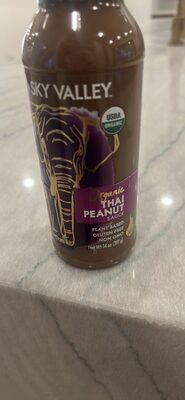
Organic Thai Peanut Sauce
Halal Analysis
We recommend searching for certified Halal alternatives.
Pro Tip
Always double-check the label. Manufacturers change ingredients frequently without notice!