
Is Pad Thai Keto?
No, traditional Pad Thai is not keto-friendly. While it offers a delicious balance of sweet, sour, and savory flavors, the core ingredients rely heavily on carbohydrates. If you are strictly following a ketogenic diet, the classic preparation of this dish will likely break your ketosis.
The Ingredient Breakdown
As a food scientist, looking at the ingredient list for a standard Pad Thai reveals exactly why it clashes with the ketogenic diet. The conflict isn't just about one ingredient; it's a combination of high-starch components and hidden sugars that drive the carbohydrate count through the roof.
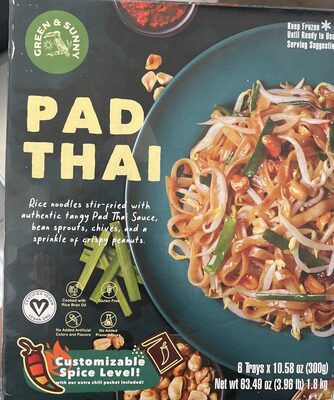
The primary offender is the noodle itself. Pad Thai uses Cooked Rice Noodles. Rice noodles are essentially pure starch, derived from rice flour. On a keto diet, you typically limit your net carbs to 20-50 grams per day. A single serving of these noodles alone can easily exceed that limit, providing a massive load of glucose that will spike insulin levels immediately.
Next, we have the sweeteners. The ingredient list includes both Coconut Sugar and standard Sugar. Coconut sugar is often marketed as a 'healthier' alternative, but from a macronutrient perspective, it is still composed of nearly pure sucrose. It has a high glycemic index and contains the same fructose and glucose profile as white sugar. In Pad Thai, sugar is essential for balancing the acidity of the tamarind, but it adds a significant amount of empty carbohydrates that are strictly forbidden on keto.
Finally, the Tamarind Paste contributes to the carb count. While tamarind is a fruit and contains fiber, the paste used in sauces is often concentrated and can add up quickly in terms of net carbs. When combined with the sugar and noodles, the total carbohydrate load makes the dish metabolically incompatible with ketosis.
Nutritional Value
From a nutritional standpoint, Pad Thai is an energy-dense dish, but that energy comes almost exclusively from carbohydrates. A standard restaurant serving can range from 800 to 1,200 calories, with a staggering portion of those calories coming from the noodles and added sugar.
Let's look at the macros. You can expect a single serving to contain anywhere from 100g to 150g of total carbohydrates. Even if we subtract the fiber from the bean sprouts and vegetables, the net carbs remain exceptionally high—likely over 100g. This is double or triple the daily allowance for strict keto dieters.
While the dish does contain some protein from the peanuts and potentially egg or shrimp (depending on the specific recipe), the ratio is skewed heavily toward carbs. The fats present, primarily from Rice Bran Oil and Roasted Peanuts, are generally healthy unsaturated fats, but they aren't enough to offset the metabolic impact of the massive carbohydrate load. Therefore, Pad Thai does not fit the nutritional profile required to maintain a state of ketosis.
Frequently Asked Questions
Does Pad Thai contain dairy or gluten?
Is Pad Thai good for weight loss?
Where can I buy Pad Thai?
Is Pad Thai safe for kids?

Pad Thai
Keto Analysis
We recommend searching for certified Keto alternatives.
Pro Tip
Always double-check the label. Manufacturers change ingredients frequently without notice!