
Is Panko Halal?
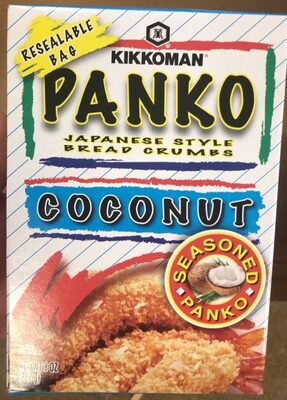
Yes, Panko is Halal. After analyzing the specific ingredients list provided, we found no Haram components such as alcohol, pork, or animal enzymes. This product is generally safe for consumption by those following Halal dietary guidelines.
The Ingredient Breakdown
When determining if a processed food is Halal, the devil is in the details. We analyzed the specific formulation of this Panko product to look for common red flags. The primary component is bleached wheat flour. In the context of Halal guidelines, wheat is naturally permissible (Halal). The term "bleached" refers to the processing method used to whiten the flour, which is chemically treated (usually with benzoyl peroxide or chlorine gas). While some prefer unbleached flour for general health reasons, the bleaching agents used are synthetic and do not render the food non-Halal.
The seasoning blend is where many breaded products encounter issues, but this one passes the test. It utilizes coconut flakes and coconut milk powder for flavor and richness. Both are plant-based and entirely Halal. The spices, dehydrated onion, and garlic powder are standard aromatics with no religious restrictions.
Crucially, we must look for hidden animal products. This product contains soybean oil and sugar. While some refined sugars are processed with bone char (an animal byproduct), the vast majority of industrial sugar used in products like this is not, and even those that are are generally considered permissible by most Halal certification bodies due to the chemical transformation. There are no animal-derived enzymes listed in the yeast or leavening agents. Therefore, based on the provided ingredients, this Panko is Halal.
Nutritional Value
From a nutritional standpoint, this Panko is primarily a source of carbohydrates due to the bleached wheat flour. It provides quick energy, making it a popular choice for breading proteins like chicken or fish. However, because it is a processed bread crumb, it lacks significant fiber or protein compared to whole-grain alternatives.
The inclusion of coconut milk powder and soybean oil increases the fat content, specifically saturated fats from the coconut source. While these fats are plant-derived, they are calorie-dense. Additionally, the presence of sugar adds to the caloric load without offering nutritional benefits. For those monitoring their caloric intake or sugar levels, this should be used in moderation, though it fits within a standard balanced diet when used as a breading rather than a main ingredient.
Frequently Asked Questions
Does Panko contain dairy or gluten?
Is Panko good for weight loss?
Where can I buy Panko?
Is Panko safe for kids?


Pro Tip
Always double-check the label. Manufacturers change ingredients frequently without notice!