
Is Parmesan Cheese Gluten Free?
Yes, Parmesan cheese is gluten-free. As a hard, aged cheese, its traditional ingredients are naturally free from wheat, barley, and rye. This article breaks down the label of common Parmesan products to explain why it is a safe choice for those avoiding gluten.
The Ingredient Breakdown
When determining if a dairy product is safe for a gluten-free diet, we look for grain-based additives. For Parmesan cheese, the core ingredients are remarkably simple. Let's look at a standard ingredient list: Pasteurized Part-Skim Milk, Cheese Culture, Salt, and Enzymes.
The primary ingredient, Pasteurized Part-Skim Milk, is naturally gluten-free. The same applies to Cheese Culture and Salt. These are fundamental building blocks of cheese that do not involve grains. The Enzymes used in cheesemaking, such as rennet, are typically microbial or vegetable-based and are also free of gluten.
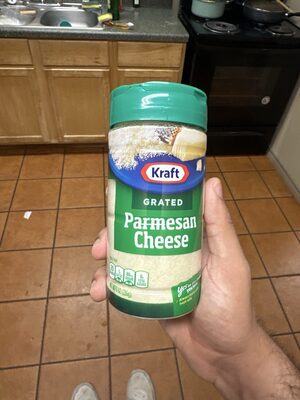
Many pre-grated Parmesan cheeses include Cellulose Powder as an anti-caking agent. There is a common misconception that cellulose comes from wheat. However, food-grade cellulose is derived from wood pulp or cotton lint, not wheat. It is chemically distinct from gluten and does not trigger an immune response in celiacs. Therefore, even with this additive, the cheese remains gluten-free.
Nutritional Value
Parmesan cheese is a nutrient-dense food. It is high in protein and calcium but also contains fat and sodium. A typical serving size of one ounce (about 2 tablespoons of grated cheese) contains roughly 100 calories, 7 grams of fat, and 10 grams of protein.
Because it is low in carbohydrates and sugar, Parmesan fits well into low-carb and ketogenic diets. However, due to its sodium content, individuals with hypertension should consume it in moderation. It is also important to note that Parmesan is a dairy product, so it contains lactose. While the aging process reduces lactose levels significantly, those with severe lactose intolerance should still exercise caution.
Frequently Asked Questions
Does Parmesan Cheese contain dairy or gluten?
Is Parmesan Cheese good for weight loss?
Where can I buy Parmesan Cheese?
Is Parmesan Cheese safe for kids?
Pro Tip
Always double-check the label. Manufacturers change ingredients frequently without notice!