
Is Peanut Butter Gluten Free?
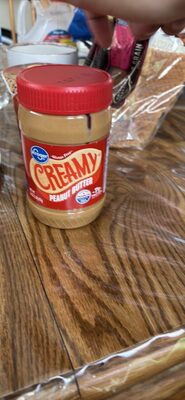
Yes, peanut butter is generally gluten-free, and the specific product analyzed here confirms that verdict. We examined the jar's ingredient list, looking for hidden gluten sources often found in processed foods. Here is the complete breakdown of why this spread is safe for those with celiac disease or gluten sensitivity.
The Ingredient Breakdown
When determining if a processed food is safe for a gluten-free diet, we have to look beyond the main ingredient. While peanuts are naturally gluten-free, the processing and additives are where risks usually hide. Let's look at the specific ingredients in this product: roasted peanuts, sugar, molasses, fully hydrogenated vegetable oils (rapeseed, cottonseed, and soybean), and salt.
The primary ingredient, roasted peanuts, is the heart of the product and poses zero gluten risk. The sugar and salt are standard, pure ingredients that do not contain gluten. The molasses is a byproduct of sugar refining; while thick, it is naturally gluten-free. The most complex ingredient listed is the fully hydrogenated vegetable oils. Hydrogenation is a chemical process used to make oils solid at room temperature, but it does not involve gluten-containing grains. Therefore, this specific blend of rapeseed, cottonseed, and soybean oils is safe.
Ultimately, the verdict is a clear YES. There are no wheat-derived thickeners, barley malt flavorings, or oat-based ingredients present. Because the manufacturer has not included any ingredients that are inherently risky or subject to high cross-contamination, this jar is safe for a gluten-free lifestyle.
Nutritional Value
While being gluten-free makes a food safe, it doesn't automatically make it a health food. This peanut butter contains sugar and hydrogenated oils, which are points of interest for nutritional analysis. A standard two-tablespoon serving typically contains between 180 and 210 calories, derived mostly from the monounsaturated and polyunsaturated fats found in the peanuts and added oils.
The inclusion of fully hydrogenated oils is often used to prevent oil separation (the natural state of peanut butter) and to create a creamy texture. While "fully hydrogenated" implies a different chemical structure than partially hydrogenated oils (which contain trans fats), it still adds to the total saturated fat content. Additionally, the added sugar and molasses contribute to the carbohydrate count. For those strictly monitoring blood sugar or saturated fat intake, this formula is less ideal than a natural peanut butter that contains only peanuts and salt. However, it remains a significant source of protein and healthy fats compared to many other processed snacks.
Frequently Asked Questions
Does Peanut Butter contain dairy or gluten?
Is Peanut Butter good for weight loss?
Where can I buy Peanut Butter?
Is Peanut Butter safe for kids?
Pro Tip
Always double-check the label. Manufacturers change ingredients frequently without notice!