
Is Peanut Satay Thai Noodles Gluten Free?
If you are looking for a gluten-free lunch option, you will need to skip this one. Peanut Satay Thai Noodles are not gluten-free due to the presence of wheat-based ingredients. While the peanut sauce profile is tempting, the noodle base itself makes this product unsuitable for anyone with Celiac disease or gluten sensitivity.
The Ingredient Breakdown
As a food scientist, I look at the composition of food to understand its safety and suitability for different diets. When analyzing Peanut Satay Thai Noodles, the verdict is clear: this product contains gluten. The primary issue lies in the noodle composition, but the sauce also contributes to the gluten content.
The most obvious culprit is the Wheat flour listed as the first ingredient. This is the primary structural component of the noodles, essentially making them a standard wheat pasta. Even more concerning for strict gluten avoidance is the inclusion of Wheat gluten. This is often added to noodles to provide a chewier, more elastic texture (known as the 'bite'). Because it is added as a distinct ingredient, it ensures the product is definitively not gluten-free.
There is also a hidden risk in the flavorings. The Curry powder blend is generally safe, but pre-mixed spice blends can sometimes use wheat flour as an anti-caking agent to prevent clumping. While the label lists coriander, turmeric, and cumin, we cannot rule out fillers without seeing the specific curry powder manufacturer's spec sheet. Finally, the Modified tapioca starch is gluten-free, but it is often processed in facilities that handle wheat, leading to potential cross-contamination if the product is not certified gluten-free.
Nutritional Value
From a nutritional standpoint, these noodles are a calorie-dense convenience food. A standard serving contains a significant amount of carbohydrates, primarily from the Wheat flour and Coconut sugar. The presence of Coconut sugar adds a distinct sweetness to the satay sauce, which drives up the total sugar content. While it is a natural sweetener, it still contributes to your daily glycemic load.
Fat content is moderate to high, largely due to the Coconut milk and Rice bran oil. However, these are primarily plant-based fats. The saving grace nutritionally is the Peanuts, which provide plant protein and healthy fats, helping to satiate hunger. The Fish sauce adds sodium, which is typical for Thai cuisine but should be monitored if you are watching your blood pressure.
Frequently Asked Questions
Does Peanut Satay Thai Noodles contain dairy or gluten?
Is Peanut Satay Thai Noodles good for weight loss?
Where can I buy Peanut Satay Thai Noodles?
Is Peanut Satay Thai Noodles safe for kids?


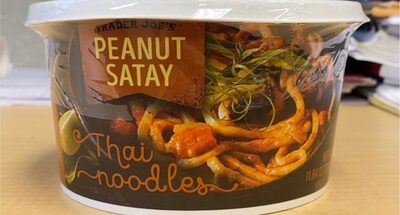
Peanut Satay Thai Noodles
Gluten Free Analysis
We recommend searching for certified Gluten Free alternatives.
Pro Tip
Always double-check the label. Manufacturers change ingredients frequently without notice!