
Is Penne Kosher?
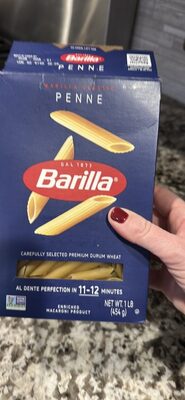
Yes, Penne is generally considered kosher. Based on the standard ingredients found in plain semolina pasta, there are no animal-derived products, rendering it inherently pareve (neutral). However, the ultimate kosher status depends on the manufacturing facility and the presence of a reliable certification symbol.
The Ingredient Breakdown
When determining if a packaged food is kosher, we look at the source of every ingredient. For standard semolina and durum wheat flour, the answer is straightforward. Wheat is a plant, making it naturally pareve (neither meat nor dairy). It does not require special rabbinic supervision to grow or harvest, unlike certain grains that may be susceptible to insect infestation (though modern processing usually handles this).
The next step is analyzing the additives. The vitamins listed—vitamin B3 (niacin), iron (ferrous sulfate), vitamin B1 (thiamine mononitrate), vitamin B2 (riboflavin), and folic acid—are all synthetic or isolated nutrients. In the world of kashrut, synthetic vitamins are considered kosher. They are not derived from animal sources, so they do not pose a concern regarding meat or dairy mixing.
The only potential flag for pasta is the presence of egg. Many fresh pastas contain eggs, which would require a dairy certification if the pasta is to be eaten with meat. However, the ingredients provided for this Penne contain no egg. Therefore, this specific product is pareve, meaning it can be eaten with meat, dairy, or by itself at any meal.
Nutritional Value
From a nutritional standpoint, this Penne serves as a dense source of energy. Being made primarily of durum wheat semolina, it is high in complex carbohydrates, which provide sustained energy release. The fortification with iron and B vitamins is a significant benefit, helping to support metabolic function and prevent anemia.
Because this is a plain pasta without added sugars or fats, it fits well into a balanced diet. It is naturally low in sodium and contains no cholesterol. For those monitoring their caloric intake, standard serving sizes of dry pasta are manageable, though portion control is key as the starch content can add up quickly. It is an excellent base for nutrient-dense sauces like marinara or pesto.
Frequently Asked Questions
Does Penne contain dairy or gluten?
Is Penne good for weight loss?
Where can I buy Penne?
Is Penne safe for kids?
Pro Tip
Always double-check the label. Manufacturers change ingredients frequently without notice!