
Is Peppermint Halal?
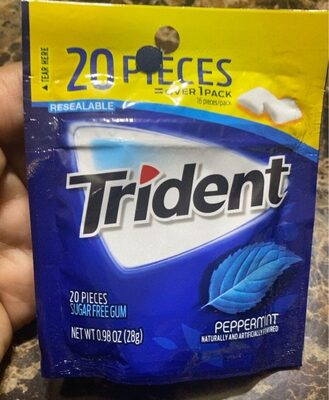
Yes, Peppermint is Halal. Based on a detailed analysis of the ingredient list, this product contains no animal-derived ingredients, alcohol, or controversial additives that would violate Islamic dietary laws. It is a safe choice for those seeking Halal-compliant confectionery.
The Ingredient Breakdown
When determining if a product is Halal, we look beyond the main flavor and scrutinize the binding agents, sweeteners, and preservatives. For this specific Peppermint formula, the verdict is clear, but let's look at why.
The primary ingredients are Sorbitol, Maltitol, and Xylitol. These are sugar alcohols derived from plant sources like corn or birch wood. Despite the name 'alcohol,' they are chemically distinct from the intoxicating ethanol found in beverages and are fully Halal. They provide the sweetness without the glycemic spike.
The texture is held together by a Gum Base. In older confectionery, this could be a source of concern if it contained natural latex or animal-based resins. However, modern commercial gum bases are almost exclusively synthetic polymers, making them Halal. We also see Glycerin listed here; in this formulation, it is plant-derived (vegetable glycerin), which is permissible.
Finally, we examine the additives. Titanium Dioxide is used for color. While some consumers prefer to avoid it for general health reasons, it is a mineral and is not derived from animals, so it does not render the product non-Halal. BHT (Butylated Hydroxytoluene) is a synthetic antioxidant used to maintain freshness; it is chemically produced and Halal. There are no red flags in this ingredient list.
Nutritional Value
From a nutritional standpoint, this Peppermint is designed as a 'better-for-you' treat. It is entirely sugar-free, relying on polyols like Sorbitol and Xylitol. This makes it an excellent option for those monitoring their blood sugar levels or following a low-carb or ketogenic diet.
Because it lacks sugar, the caloric density is significantly lower than traditional hard candies. However, it is not a source of essential nutrients; it is a confectionery item. The inclusion of Soy Lecithin acts as an emulsifier and provides a negligible amount of fat.
One important note regarding the sweeteners: the product contains Aspartame and Acesulfame Potassium. While Halal, individuals with Phenylketonuria (PKU) must avoid Aspartame. For the general population, these sweeteners allow for a guilt-free indulgence in terms of calorie count, though some may prefer products sweetened only with natural stevia or monk fruit.
Frequently Asked Questions
Does Peppermint contain dairy or gluten?
Is Peppermint good for weight loss?
Where can I buy Peppermint?
Is Peppermint safe for kids?
Pro Tip
Always double-check the label. Manufacturers change ingredients frequently without notice!