
Is Pepsi Halal?
The short answer is: **Maybe**. While Pepsi contains no obvious animal products or alcohol, the ambiguity surrounding its 'natural flavor' ingredient makes it a gray area for strict Halal consumers. This article investigates the science behind the ingredients to help you make an informed decision.
The Ingredient Breakdown
As a food scientist, I look at what is listed on the label, but also what is hidden behind industry terms. Standard Pepsi is generally considered vegan, but Halal standards are stricter regarding processing aids and flavorings. Here is the breakdown of the key ingredients:
Carbonated Water & Acids: The base of the drink is simply water and CO2. The acidity comes from Phosphoric Acid and Citric Acid. These are mineral-derived or fermented from sugar (usually corn), and they are universally accepted as Halal and safe.
Sweeteners & Color: High Fructose Corn Syrup, Sugar, and Caramel Color are the primary components. Caramel color is simply burnt sugar, though in very rare industrial processes, it can be processed with animal-derived clarifying agents. However, in major sodas like Pepsi, the caramel color is synthetic and plant-based.
The Controversy: Natural Flavor: This is the primary flag. 'Natural Flavor' is a proprietary trade secret. While it is legally defined as originating from a plant or animal source, the specific breakdown is not public. In some beverages, natural flavors can contain trace amounts of alcohol (used as a solvent) or animal derivatives (like castoreum, though this is extremely rare and expensive today). Because Pepsi does not certify their standard product as Halal, we cannot guarantee that the natural flavoring process meets strict Halal requirements regarding cross-contamination or sourcing.
Nutritional Value
From a nutritional standpoint, Pepsi is a high-calorie beverage with zero nutritional density. A standard 12oz can contains approximately 150 calories, all derived from added sugars (around 41g).
For those observing a healthy diet, the sugar content is the main concern rather than the Halal status. It exceeds the American Heart Association's recommended daily limit of 36g for men and 25g for women in a single serving. It contains no fat, protein, or vitamins.
Frequently Asked Questions
Does Pepsi contain dairy or gluten?
Is Pepsi good for weight loss?
Where can I buy Pepsi?
Is Pepsi safe for kids?
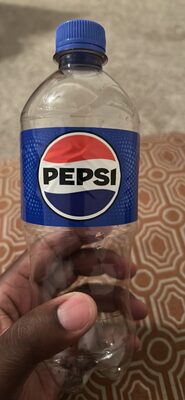
Pepsi
Halal Analysis
We recommend searching for certified Halal alternatives.
Pro Tip
Always double-check the label. Manufacturers change ingredients frequently without notice!