
Is Pesto Vegan? An Investigative Ingredient Analysis
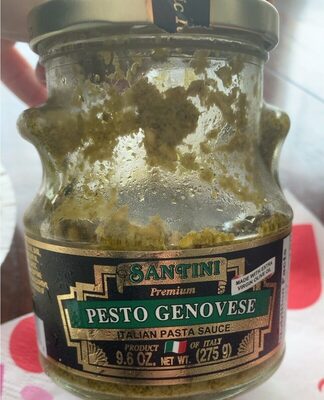
Yes, the specific pesto analyzed in this investigation is vegan. While traditional pesto is notorious for containing Parmesan or Pecorino cheese, this version relies on a blend of nuts and oils to achieve that creamy texture. Here is the full breakdown of why this jar passes the vegan test.
The Ingredient Breakdown
To determine if a product is truly vegan, we have to look past the marketing and analyze the source material. In this case, the ingredient list is surprisingly compliant with a strict plant-based diet. Let's look at the key components.
The primary fat sources are Sunflower Seed Oil and Extra Virgin Olive Oil. Both are extracted from plants and are entirely vegan. These oils provide the mouthfeel and richness usually associated with animal fats. For the savory, punchy flavor profile, the manufacturer uses Garlic and Basil. These are standard aromatics and pose no ethical issues for vegans.
The most critical ingredient in pesto is usually the cheese, but here we see a clever substitution. Instead of dairy, this recipe utilizes Cashews. Cashews are a staple in vegan cooking because they blend into a smooth, rich paste that mimics the texture of soft cheeses. The inclusion of Pine Nuts adds a traditional texture and nutty flavor profile. Finally, Salt, Ascorbic Acid (Vitamin C), and Citric Acid are used for seasoning and preservation. These are all synthetic or mineral-derived additives that are universally vegan.
Nutritional Value
From a nutritional standpoint, this pesto is a dense source of energy. The combination of olive oil and cashews means the fat content is high, specifically heart-healthy monounsaturated fats. While this fits well into a Keto or Paleo diet, those strictly counting calories should be mindful of portion sizes. A single tablespoon can range from 80 to 100 calories, purely from the oil and nut base.
Because this version lacks cheese, the sodium levels are likely lower than traditional recipes, relying mostly on added salt for flavor. There is negligible sugar content, making it a savory staple that won't spike blood sugar. However, the calorie density means it should be used as a flavor enhancer rather than a main course component if you are managing your weight.
Frequently Asked Questions
Does Pesto contain dairy or gluten?
Is Pesto good for weight loss?
Where can I buy Pesto?
Is Pesto safe for kids?
Pro Tip
Always double-check the label. Manufacturers change ingredients frequently without notice!