
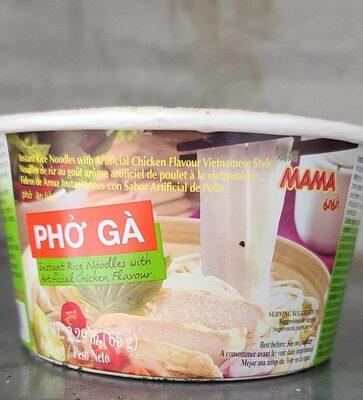
Is pho ga Halal?
Yes, pho ga is Halal. Based on a detailed analysis of the ingredients list provided, there are no flags for pork, alcohol, or non-Halal meat derivatives. This instant pho variety relies on plant-based ingredients and artificial flavorings to achieve its chicken taste, making it permissible for consumption.
The Ingredient Breakdown
When determining if a processed food like instant pho ga is Halal, we must look beyond the marketing and inspect the chemistry. The primary concern for Muslim consumers is usually the presence of pork derivatives (lard, gelatin), alcohol (in flavorings or vinegars), or non-Halal meat sources. In this specific formulation, the manufacturer has utilized a clever combination of plant-based proteins and synthetic flavorings to mimic chicken.
Let's look at the core components. The noodles are made from rice and tapioca starch, which are naturally Halal. The savory profile comes from monosodium glutamate (MSG), disodium 5'-ribonucleotides, and a complex blend of artificial chicken flavour and artificial coriander. Crucially, these artificial flavors are derived from soybeans, not animal sources. This is a key distinction; if the flavor came from animal fat, we would need to verify the slaughter method, but soy derivatives are inherently Halal.
The potential gray area in instant noodles is often the soup base. However, this product uses soy sauce powder and fish sauce (anchovy) for umami. While fish is generally Halal, consumers following the Shafi'i school of thought might note the anchovy. However, the primary 'meat' flavor is artificial. The inclusion of wheat protein adds texture without using animal meat. There are no alcohol-based preservatives or pork-based fats listed. Therefore, from a strictly chemical and ingredient standpoint, this product passes the Halal test.
Nutritional Value
While the Halal status is confirmed, the nutritional profile of instant pho ga is where consumers should exercise caution. Like most instant noodles, this product is designed for shelf stability and flavor intensity rather than optimal health. The base is refined carbohydrates (rice and tapioca starch), which digest quickly and can spike blood sugar levels.
The sodium content is likely high due to the combination of salt, monosodium glutamate, soy sauce powder, and fish sauce. A single serving could potentially contain a significant portion of the recommended daily sodium intake. Additionally, the presence of vegetable oils (including palm oil) contributes to the calorie count. While it serves as a convenient and Halal-compliant meal, it should be consumed in moderation, especially for those monitoring blood pressure or caloric intake.
Frequently Asked Questions
Does pho ga contain dairy or gluten?
Is pho ga good for weight loss?
Where can I buy pho ga?
Is pho ga safe for kids?


Pro Tip
Always double-check the label. Manufacturers change ingredients frequently without notice!