
Is Pimiento cheese spread Halal?
No, most commercial Pimiento cheese spreads are not considered Halal. While the base ingredients like cheese and peppers are permissible, the inclusion of gelatin as a thickener is a major concern. This investigation reveals why you need to scrutinize the label before dipping your crackers.
The Ingredient Breakdown
As a food scientist, I look beyond the marketing claims and straight at the formulation. Pimiento cheese is an emulsion—a stable mixture of fat and water that requires specific stabilizers to prevent separation. While many brands use plant-based gums, others rely on animal-derived products. The primary red flag in the ingredient list provided is gelatin.
Gelatin is a protein obtained by boiling skin, tendons, ligaments, and/or bones with water. It is usually obtained from cows or pigs. In the context of a cheese spread, gelatin acts as a binder, giving the spread a firm, sliceable texture without separating. Because its origin is rarely specified on generic packaging, it is impossible to verify if it is beef-derived (Halal if slaughtered correctly) or pork-derived (Haram). Therefore, from a Halal compliance standpoint, the presence of unverified gelatin renders the product impermissible.
Furthermore, we must look at the enzymes used in the cheese production. The ingredient list mentions enzymes. In the cheese industry, enzymes (rennet) are used to curdle milk. While microbial or vegetable rennet is common, animal rennet is still used in some dairy products. Without a specific Halal certification, the enzyme source is another variable that makes the product suspect.
Nutritional Value
From a nutritional perspective, Pimiento cheese spread is a calorie-dense, high-fat food. The primary fat source in the product analyzed is soybean oil and hydrogenated soybean oil. While the 'reduced-fat' cheddar helps slightly, the addition of hydrogenated oils introduces trans fats, which are universally recognized as detrimental to heart health.
The sodium content is also significant. Between the sodium citrate, sodium phosphate, and added salt, a single serving can contain a substantial portion of your daily recommended intake. This is typical for processed cheese spreads designed for shelf stability. While it provides protein from dairy sources like skim milk and whey protein concentrate, the high saturated fat and sodium levels mean it should be consumed in moderation, regardless of its Halal status.
Frequently Asked Questions
Does Pimiento cheese spread contain dairy or gluten?
Is Pimiento cheese spread good for weight loss?
Where can I buy Pimiento cheese spread?
Is Pimiento cheese spread safe for kids?

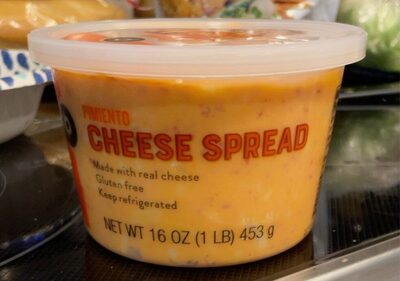
Pimiento cheese spread
Halal Analysis
We recommend searching for certified Halal alternatives.
Pro Tip
Always double-check the label. Manufacturers change ingredients frequently without notice!