
Is Pink Salt Kosher?
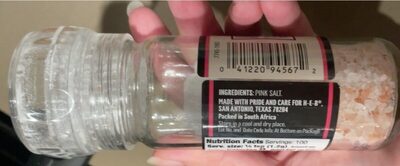
Yes, Pink Salt is kosher. Based on our analysis of the H-E-B product packaging, this item contains a single ingredient—salt—which is naturally kosher. There are no additives, preservatives, or processing agents that would require kosher certification, making it a safe choice for those observing dietary laws.
The Ingredient Breakdown
When analyzing any food product for kosher compliance, the first step is always looking at the ingredient label. For this specific Pink Salt product, the analysis is refreshingly simple. The only ingredient listed is PINK SALT.
Pink salt, specifically Himalayan pink salt, is essentially rock salt with trace minerals like iron oxide that give it its distinctive color. Salt is a mineral, not a plant or animal product. In the context of kosher dietary laws, pure salt does not require a hechsher (certification symbol) because it is inherently free of non-kosher ingredients. The warning on the packaging regarding single use and refillability is a standard safety and quality notice, not an indication of dietary restrictions.
Furthermore, the packaging indicates it was packed in South Africa for H-E-B. While processing facilities can sometimes be a concern for cross-contamination, salt is not subject to the same risks as grains or processed foods. There are no oils, anti-caking agents (like sodium ferrocyanide), or flavor enhancers listed that would complicate the kosher status. Therefore, the verdict is a clear yes.
Nutritional Value
From a nutritional standpoint, Pink Salt functions identically to standard table salt. It is composed almost entirely of sodium chloride, though it may contain trace amounts of minerals like calcium, potassium, and magnesium depending on its source. It contains zero calories, zero sugar, zero fat, and zero protein.
Because it is pure salt, it fits into almost every diet plan, including Keto, Paleo, and low-carb regimens. However, the health consideration here is sodium content. While pink salt is often marketed as a healthier alternative due to its mineral content, the amounts are negligible. The primary concern remains sodium intake. The American Heart Association recommends limiting sodium to 2,300mg per day, moving toward an ideal limit of 1,500mg for most adults. Using this salt in moderation is key to maintaining heart health.
Frequently Asked Questions
Does Pink Salt contain dairy or gluten?
Is Pink Salt good for weight loss?
Where can I buy Pink Salt?
Is Pink Salt safe for kids?


Pro Tip
Always double-check the label. Manufacturers change ingredients frequently without notice!