
Is Pizza Blend Vegan?
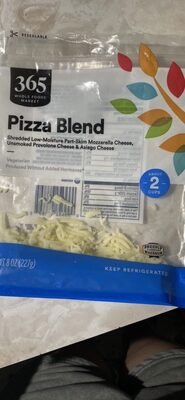
No, Pizza Blend is not vegan. While the combination of mozzarella, provolone, and asiago sounds delicious, all three cheeses are derived from animal milk, making this blend strictly off-limits for a plant-based diet. If you are looking for a dairy-free pizza topping, you will need to look for a specifically labeled vegan cheese alternative.
The Ingredient Breakdown
As a food scientist, looking at the label of a standard Pizza Blend reveals exactly why it fails the vegan test. The issue isn't a hidden additive or a controversial processing aid; it is the fundamental base of the product itself. Let's analyze the specific components found in this blend.
The primary ingredients are low moisture part-skim mozzarella cheese and unsmoked provolone cheese. Both of these are traditional dairy products. Mozzarella is made from water buffalo milk (or cow's milk in most commercial blends) and relies on a process called acidification and stretching to achieve its texture. Provolone follows a similar process. For a vegan, the source of these cheeses—cultured pasteurized milk—automatically disqualifies the product.
Perhaps the most distinct flavor note comes from the asiago fresh cheese. Asiago is a cow's milk cheese that varies in texture depending on aging. In this blend, it adds a sharp, nutty flavor profile. However, the ingredient list explicitly notes the use of animal enzymes in the asiago cheese. While some cheeses use microbial or vegetable-based enzymes to coagulate the milk, the use of animal enzymes (often derived from the stomach lining of calves) is another layer of non-vegan processing involved in this product.
Finally, the blend includes powdered cellulose. This is a common anti-caking agent used to keep the cheese shreds from clumping together in the bag. While powdered cellulose is plant-derived (usually from wood pulp or cotton), it is perfectly vegan. In this specific context, however, it is merely a supporting actor in a product dominated by dairy.
Nutritional Value
From a nutritional standpoint, Pizza Blend is a calorie-dense source of fat and protein, typical of most cheese mixes. Because it is a blend of three different cheeses, the fat content is significant, contributing to the creamy mouthfeel and melting properties that consumers love. If you are tracking your daily caloric intake, using a measured amount of this blend is crucial, as it is very easy to over-consume.
Regarding sugar, most hard cheeses like mozzarella, provolone, and asiago contain negligible amounts of lactose (milk sugar), as much of it is removed during the whey separation process. Therefore, this blend is generally low in sugar. However, the sodium content is likely high due to the salt added during the cheese-making process. For those on a low-sodium diet, this is an important factor to consider. While it fits well into a high-protein diet, the saturated fat levels mean it should be consumed in moderation within a balanced lifestyle.
Frequently Asked Questions
Does Pizza Blend contain dairy or gluten?
Is Pizza Blend good for weight loss?
Where can I buy Pizza Blend?
Is Pizza Blend safe for kids?

Pizza Blend
Vegan Analysis
We recommend searching for certified Vegan alternatives.
Pro Tip
Always double-check the label. Manufacturers change ingredients frequently without notice!