
Is Pizza Crusts Gluten Free?
No, standard Pizza Crusts are not gluten-free. If you are looking at a crust made with enriched wheat flour, it contains gluten proteins that can trigger reactions in those with Celiac disease or gluten sensitivity. Based on the ingredient label, this specific crust relies entirely on wheat as its structural base.
The Ingredient Breakdown
As a food scientist, the first place I look to determine if a product is safe for a gluten-free diet is the flour source. In this case, the primary ingredient is ENRICHED WHEAT FLOUR. This is the gold standard for traditional pizza, but it is the exact opposite of what is required for a gluten-free diet. Wheat contains gluten, a protein that gives dough its elasticity and chew.
However, there is a secondary flag in the ingredient list that is often overlooked by consumers: MALTED BARLEY FLOUR. While wheat is the obvious culprit, barley is another gluten-containing grain. Manufacturers often add malted barley flour to enhance the flavor profile and aid in browning, but it renders the product unsafe for anyone avoiding gluten.
The remaining ingredients, such as XANTHAN GUM and GUAR GUM, are actually common in gluten-free baking as binders to mimic the texture that gluten usually provides. It is ironic that these gluten-free ingredients are present in a crust that is fundamentally built on gluten-heavy flours. The ENZYMES listed in the dough conditioners are typically derived from fungal or bacterial sources and are generally safe, but they do not negate the wheat content.
Nutritional Value
From a nutritional standpoint, this crust is a source of refined carbohydrates. The ENRICHED WHEAT FLOUR means the bran and germ have been removed, leaving mostly the endosperm which is high in starch but lower in fiber compared to whole wheat options. The inclusion of DEXTROSE (a form of sugar) and SOYBEAN OIL adds to the caloric density without providing significant micronutrients.
If you are monitoring your sugar intake, note that FUMARIC ACID is used as an acidulant, which can interact with leavening agents to create a specific texture, but it doesn't add nutritional value. The crust is designed to be a delivery vehicle for toppings rather than a nutritional powerhouse. It fits into a standard diet as a treat, but it is not a low-carb or high-fiber option.
Frequently Asked Questions
Does Pizza Crusts contain dairy or gluten?
Is Pizza Crusts good for weight loss?
Where can I buy Pizza Crusts?
Is Pizza Crusts safe for kids?
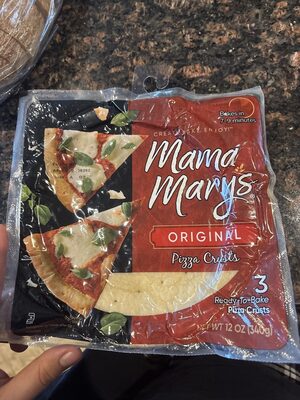
Pizza Crusts
Gluten Free Analysis
We recommend searching for certified Gluten Free alternatives.
Pro Tip
Always double-check the label. Manufacturers change ingredients frequently without notice!