
Is Pizza Halal?
The short answer is no, standard pizza is not considered Halal. While the crust and sauce may seem harmless, the specific combination of pepperoni, cheese enzymes, and dough conditioners makes it unsuitable for a Halal diet. This investigation breaks down exactly why this popular food fails the Halal test.
The Ingredient Breakdown
When analyzing a standard frozen or delivery pizza, the Halal status usually hinges on the meat and the hidden ingredients in the dough and cheese. As a food scientist, I look beyond the marketing and into the chemical composition. Here is the specific analysis of the ingredients provided:
PEPPERONI (PORK, BEEF): This is the most significant violation. The primary ingredient listed is pork. In Islamic dietary laws, the consumption of pork is strictly forbidden (Haram). Even though beef is also listed, the presence of pork renders the entire product non-Halal unless there is 100% separation, which is rare in standard processing facilities.
LOW MOISTURE WHOLE MILK MOZZARELLA CHEESE: While milk is Halal, the enzymes used in cheese production can be a grey area. The ingredients list 'enzymes' without specifying the source. In the food industry, enzymes are often derived from animal rennet (specifically the stomach lining of un-weaned calves). If this animal is not slaughtered according to Islamic rites, the cheese is not Halal. Additionally, the presence of Enzyme in the crust (L-Cysteine) is often derived from animal sources (feathers/hair) or synthetic sources. Without a Halal certification, you cannot guarantee it is synthetic.
CRUST & DOUGH CONDITIONERS: The crust contains L-Cysteine. This is a dough conditioner used to relax the gluten and make stretching easier. While it can be synthetic, it is frequently sourced from duck feathers or human hair. This is a controversial ingredient in strict Halal diets. Furthermore, the Leavening agents (Sodium Aluminum Phosphate) are chemical, but the processing aids are often unverified.
SAUCE & FLAVORINGS: The sauce appears vegetarian (water, tomato, seasoning). However, the pepperoni seasoning contains Oleoresin of Paprika and Spices. While these are plant-based, they are processed in facilities that handle pork. Cross-contamination is a high probability.
Nutritional Value
From a nutritional standpoint, this pizza is a calorie-dense, high-sodium, and high-fat food. A single serving can easily exceed 600-800 calories, largely due to the combination of Soybean Oil, Palm Oil, and full-fat cheese.
The Sugar content in both the crust and the sauce contributes to the 'bliss point'—a food science term for the perfect ratio of salt, sugar, and fat to keep you eating. However, this spikes blood glucose levels. The Sodium levels (from salt, sodium nitrite, and leavening agents) are significant, often covering 20-30% of the daily recommended limit in one slice. While it provides protein from the meat and cheese, the saturated fat content makes it a poor choice for heart health when consumed regularly.
Frequently Asked Questions
Does Pizza contain dairy or gluten?
Is Pizza good for weight loss?
Where can I buy Pizza?
Is Pizza safe for kids?
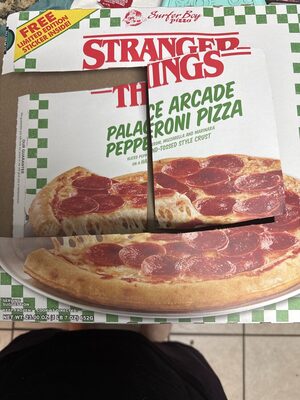
Pizza
Halal Analysis
We recommend searching for certified Halal alternatives.
Pro Tip
Always double-check the label. Manufacturers change ingredients frequently without notice!