
Is Plant-based Buttery Spread Vegan?
The short answer is: **Maybe**. While this spread contains no obvious animal products like milk or eggs, the presence of 'natural flavor' and 'sustainable palm oil' creates ambiguity for strict vegans. This article investigates the ingredient list to determine if this buttery alternative aligns with a cruelty-free lifestyle.
The Ingredient Breakdown
When analyzing a product labeled 'Plant-based Buttery Spread,' the first instinct is to assume it is 100% vegan. However, as a food scientist, I look beyond the marketing claims and straight at the chemistry. The ingredient list provided is a complex blend of oils and additives that require a closer look.
Let's start with the base: the expeller-pressed organic oil blend. This mix of coconut, palm, canola, and sunflower oils is entirely plant-derived. Coconut and palm oils provide the solid texture needed to mimic butter, while flaxseed oil adds a nutritional boost. The use of sustainable ethical palm fruit oil is a significant detail; while it is biologically vegan (plant-based), many ethical vegans avoid palm oil due to the devastating impact on orangutan habitats. However, strictly speaking, the ingredient itself is not an animal product.
The major red flag in this formulation is organic natural flavor. This is the industry term that often hides non-vegan sources. 'Natural flavor' can be derived from plant or animal sources. In buttery spreads, manufacturers sometimes use castoreum (a secretion from beaver glands) to mimic vanilla or raspberry notes, or they may use animal-derived enzymes to process the flavor compounds. Without specific disclosure from the manufacturer, we cannot guarantee that this flavoring is plant-derived.
Fortunately, the color and preservatives are safe. Organic annatto extract is a plant-based seed used to create that rich yellow butter hue. Tocopherols (Vitamin E) are used to keep the oils from going rancid and are plant-derived. Sunflower lecithin acts as an emulsifier to bind the water and oil together, replacing the function of dairy lecithin found in traditional butter.
Nutritional Value
From a nutritional standpoint, Plant-based Buttery Spread is designed to function exactly like dairy butter, meaning it is calorie-dense. It is primarily composed of fat, specifically saturated fats from coconut and palm oils. While these are plant-based, they are still considered saturated fats and should be consumed in moderation, especially by those monitoring heart health.
Unlike dairy butter, this plant-based version contains zero cholesterol, which is a distinct health advantage. It is also generally free of lactose and casein, making it safe for those with dairy allergies. However, it is not a significant source of vitamins or minerals, other than perhaps Vitamin E from the tocopherols. It fits well into a keto or high-fat diet, but for weight loss, portion control is essential as the caloric density is nearly identical to regular butter.
Frequently Asked Questions
Does Plant-based Buttery Spread contain dairy or gluten?
Is Plant-based Buttery Spread good for weight loss?
Where can I buy Plant-based Buttery Spread?
Is Plant-based Buttery Spread safe for kids?

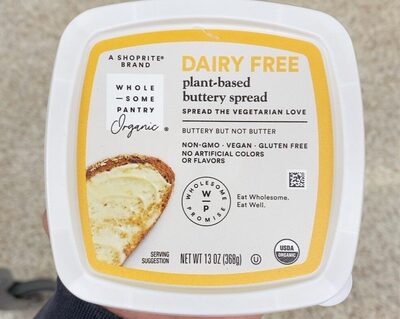
Plant-based Buttery Spread
Vegan Analysis
We recommend searching for certified Vegan alternatives.
Pro Tip
Always double-check the label. Manufacturers change ingredients frequently without notice!