
Is Plant-Based Meatballs Kosher?
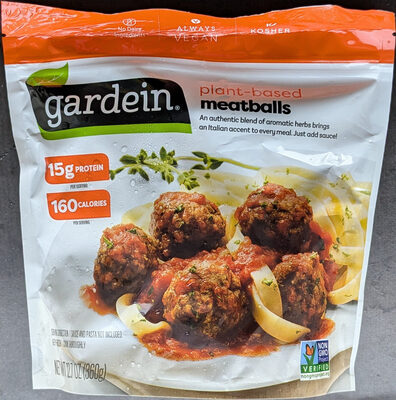
Yes, Plant-Based Meatballs are kosher. Based on a detailed review of the ingredient list, these meatballs rely entirely on plant-derived proteins and seasonings, making them a suitable option for those observing kosher dietary laws. There are no animal products, hidden or otherwise, found in this formulation.
The Ingredient Breakdown
When determining if a processed food is kosher, the scrutiny falls heavily on the source of the ingredients and the processing aids used. For these Plant-Based Meatballs, the primary structure comes from a blend of soy protein concentrate, vital wheat gluten, and soy protein isolate. These are all derived from plants and are inherently kosher (Pareve). The vital wheat gluten provides that chewy, meat-like texture often associated with seitan, which is simply the protein found in wheat.
Another key component is the flavor profile. The savory taste is achieved through spices, dehydrated onion, yeast extract, and natural flavors. In the context of kosher food science, yeast extract is a microbial ingredient and is acceptable. The 'natural flavors' listed here are explicitly noted as coming from plant sources, which eliminates the risk of them being derived from non-kosher animals. Furthermore, the coloring agents—extractive of paprika, extractive of turmeric, and extractives of annatto—are all plant-based pigments, removing the need to worry about artificial colorants derived from insects (like cochineal).
Finally, the processing agents like soy lecithin (an emulsifier) and modified vegetable gum are standard plant-derived additives. While there are no specific kosher certification symbols (hechshers) mentioned in the raw data, the absence of common non-kosher culprits—such as lard, gelatin, wine vinegar, or non-kosher meat flavorings—strongly supports the verdict that the formulation is kosher-compliant.
Nutritional Value
From a nutritional standpoint, these Plant-Based Meatballs are a dense source of protein, largely due to the combination of soy protein and vital wheat gluten. However, consumers should be mindful of the sodium content, as sea salt and yeast extract contribute to the overall milligram count. Additionally, the inclusion of organic cane sugar and molasses adds a touch of sweetness to balance the savory spices, which adds to the total carbohydrate count.
The fat content is derived primarily from expeller pressed canola oil, which keeps the saturated fat relatively low compared to animal-based meatballs. While these are certainly a healthier alternative to traditional beef or pork meatballs regarding cholesterol, the processing level means they are calorie-dense. They fit well into a high-protein diet, but for strict weight loss plans, portion control is key due to the concentrated protein and added sugars.
Frequently Asked Questions
Does Plant-Based Meatballs contain dairy or gluten?
Is Plant-Based Meatballs good for weight loss?
Where can I buy Plant-Based Meatballs?
Is Plant-Based Meatballs safe for kids?
Pro Tip
Always double-check the label. Manufacturers change ingredients frequently without notice!