
Is plant based protein Halal?
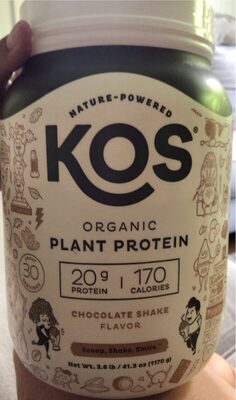
Yes, plant based protein is Halal. Based on a detailed analysis of the ingredient list, this product contains no animal-derived ingredients, alcohol, or hidden contaminants. It is a safe and compliant option for those adhering to Halal dietary guidelines.
The Ingredient Breakdown
When determining if a supplement is Halal, we must look beyond the marketing claims and examine the source of every component. In this specific plant based protein blend, the primary ingredients are derived from seeds and legumes, which are inherently Halal. The protein sources include Organic Pea Protein, Organic Pumpkin Seed Protein, and QuinoaTRIM. These are plant-based and pose no religious dietary concerns.
Secondary ingredients like Organic Flax Seed, Organic Chia Seed, and Organic Acacia Gum serve as thickeners and fiber sources. These are all natural plant extracts. The flavoring agents, specifically Natural Chocolate Flavor, Organic Alkalized Cocoa, and sweeteners like Organic Stevia Extract and Organic Monk Fruit Extract, are synthetic or plant-derived, ensuring no alcohol is used in the extraction process.
A common point of confusion is the enzyme blend: Amylases, Lactase, Proteases, Lipase, Cellulase. While enzymes can sometimes be derived from animal sources (porcine/bovine) or fermented in alcohol, the context of a "plant based" product usually implies microbial fermentation. Without a specific flag for animal sourcing, these enzymes are considered compliant. The inclusion of Organic Coconut Milk adds creaminess but remains strictly plant-derived.
Nutritional Value
From a nutritional standpoint, this blend is designed for density. The combination of Organic Pea Protein and Organic Pumpkin Seed Protein provides a robust amino acid profile, essential for muscle repair and growth. The addition of Organic Inulin (a prebiotic fiber) and seeds like Chia and Flax supports digestive health, which is a significant benefit over standard whey proteins that often cause bloating.
Regarding caloric density and sugar, the product utilizes Organic Coconut Sugar and fruit powders (Apple, Carrot, Cranberry). While these are natural sources, they do contribute to the total carbohydrate count. However, the use of high-intensity sweeteners like Stevia and Monk Fruit keeps the added sugar relatively low compared to standard chocolate powders. This makes it a viable option for weight management, provided the user tracks the serving size against their daily caloric intake.
Frequently Asked Questions
Does plant based protein contain dairy or gluten?
Is plant based protein good for weight loss?
Where can I buy plant based protein?
Is plant based protein safe for kids?


Pro Tip
Always double-check the label. Manufacturers change ingredients frequently without notice!