
Is Plant-Based Protein Keto?
No, this specific Plant-Based Protein powder is not keto-friendly. While it offers a blend of pea and chia protein, the inclusion of organic cane sugar and oat milk pushes the carbohydrate count too high for a strict ketogenic diet. Here is why this specific formula doesn't fit low-carb macros.
The Ingredient Breakdown
When evaluating a protein powder for ketosis, we look beyond just the protein source. We have to analyze the binders, fillers, and sweeteners. In this formula, there are three primary red flags for the keto diet.
First, the inclusion of Organic Cane Sugar is the most significant issue. Cane sugar is a pure carbohydrate that will spike blood glucose and insulin levels, effectively taking you out of ketosis. Even small amounts of hidden sugar can add up, especially if you are drinking multiple shakes a week.
Second, the Oatmilk (made from gluten-free oats) is problematic. While oats are a whole grain, they are still high in carbohydrates compared to keto-approved vegetables or nuts. Furthermore, oat milk is often processed into a powder, which concentrates the carb content. Additionally, oats are frequently processed in facilities that handle wheat, leading to a high risk of cross-contamination. While the label says gluten-free, the Wheat warning in the facility statement means it is not safe for those with Celiac disease, and the carb count is simply too high for keto.
Finally, Inulin is listed as an ingredient. While often derived from chicory root and used as a prebiotic fiber, inulin is a carbohydrate. Depending on the quantity used, it can contribute to the total net carb count, potentially pushing a serving over the strict 5g net carb limit of a standard keto diet.
Nutritional Value
From a nutritional standpoint, this product is designed for general wellness or weight management, not metabolic ketosis. The presence of Monk Fruit Extract is a positive sign, as it is a zero-calorie sweetener, but it is unfortunately paired with cane sugar. This "sweetener stacking" suggests the product needs extra sweetness beyond what monk fruit provides, implying a significant sugar load.
Regarding fats, the Coconut Creamer (Coconut Oil and Acacia Gum) provides a decent source of Medium Chain Triglycerides (MCTs), which are generally encouraged on keto. However, the benefits of the MCTs are likely outweighed by the sugars and oat carbohydrates. For a keto user, the net carbohydrates (Total Carbs minus Fiber) would likely exceed the daily allowance if this shake replaces a meal. It fits better in a standard diet or a low-carb diet that isn't strictly ketogenic.
Frequently Asked Questions
Does Plant-Based Protein contain dairy or gluten?
Is Plant-Based Protein good for weight loss?
Where can I buy Plant-Based Protein?
Is Plant-Based Protein safe for kids?


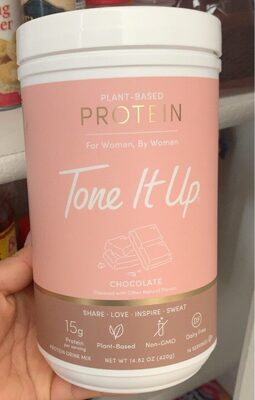
Plant-Based Protein
Keto Analysis
We recommend searching for certified Keto alternatives.
Pro Tip
Always double-check the label. Manufacturers change ingredients frequently without notice!