
Is Popcorn Kosher?
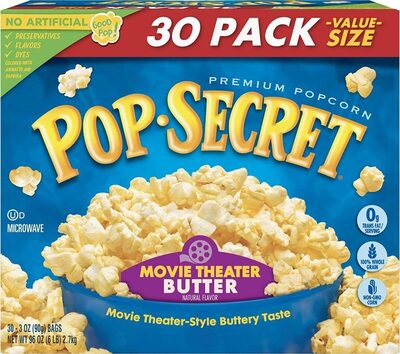
Yes, the popcorn in question is considered Kosher. After a detailed review of the ingredient list, including the specific flavorings and preservatives used, no non-Kosher (treif) ingredients or red flags were found. This analysis breaks down exactly why this popular snack fits within strict dietary laws.
The Ingredient Breakdown
When determining if a processed snack like popcorn is Kosher, we have to look beyond the main crop and inspect every additive. The base ingredient, WHOLE GRAIN POPCORN, is naturally Kosher. The complexity usually lies in the processing aids and flavorings.
The primary cooking fat here is PALM OIL. Unlike animal fats, which require specific slaughtering methods to be Kosher, palm oil is plant-derived and universally acceptable. It is often used in Kosher cooking because it is free from dairy and meat concerns. The SALT used is also inherently Kosher, though large commercial salt deposits are sometimes processed to remove stones and debris, a process that is monitored by Kosher certification agencies.
The most critical component to analyze is the NATURAL AND ARTIFICIAL FLAVOR [MILK]. The inclusion of milk is explicitly stated in the ingredients. While this makes the product Dairy, it does not render it non-Kosher. In Kosher dietary law, dairy products must come from Kosher animals and be processed on Kosher equipment. Since the flavor is listed as containing milk, it implies the manufacturer has ensured the dairy source is compliant. However, this does mean the popcorn cannot be eaten with meat meals.
Finally, we look at the chemical additives. COLOR ADDED and TBHQ (Freshness Preservative) are synthetic chemicals. In the food science world, these are generally considered 'pareve' (neutral) as they are not derived from animal or insect sources. Unless the color is derived from insects (like Carmine), which is rare in artificial coloring, these ingredients do not pose a Kosher violation.
Nutritional Value
From a nutritional standpoint, this popcorn is a calorie-dense snack primarily composed of carbohydrates and fats. The WHOLE GRAIN POPCORN base provides a decent amount of dietary fiber, which aids in digestion. However, the addition of PALM OIL significantly increases the saturated fat content. While palm oil is stable for frying, it is something to monitor if you are watching your heart health.
The presence of NATURAL AND ARTIFICIAL FLAVOR [MILK] indicates that this is not a low-fat product, as dairy flavorings often contain milk fats. Additionally, while not listed in the primary ingredients, flavored popcorn often contains hidden sugars or sodium to enhance the taste. The TBHQ is a preservative used to prevent the oils from going rancid, extending shelf life, but it is a synthetic additive that some consumers prefer to avoid. Overall, it fits as an occasional treat rather than a daily health food.
Frequently Asked Questions
Does Popcorn contain dairy or gluten?
Is Popcorn good for weight loss?
Where can I buy Popcorn?
Is Popcorn safe for kids?

Pro Tip
Always double-check the label. Manufacturers change ingredients frequently without notice!