
Is Prebiotic Fiber Keto?
No, this specific Prebiotic Fiber product is not keto-friendly. Despite the health halo of 'fiber,' the inclusion of tapioca starch makes it a risky choice for maintaining ketosis. If you are strictly tracking your net carbs, this is one supplement you should probably leave on the shelf.
The Ingredient Breakdown
As a food scientist, I look past the marketing claims on the front of the package and go straight to the ingredient list on the back. When analyzing a product labeled 'Prebiotic Fiber' for a ketogenic diet, the goal is to find soluble fibers that feed gut bacteria without raising blood glucose. However, this specific formula presents a significant hurdle for keto dieters.
The primary issue lies in the inclusion of Tapioca Starch. Tapioca is a pure starch derived from the cassava root. From a biochemical perspective, starch is simply a long chain of glucose molecules. When you consume it, your body breaks it down into glucose, which enters the bloodstream. For a keto dieter, whose goal is to keep glucose and insulin levels low to stay in a fat-burning state, consuming a pure starch—even in small amounts—is counterproductive. It is essentially a carbohydrate filler disguised as a health supplement.
We also see Pectin and Agar Agar in the mix. These are actually excellent, keto-friendly gelling agents and fibers. Pectin is found in fruit cell walls and Agar Agar comes from red algae; both are low-carb and generally considered healthy. However, their presence cannot redeem the negative impact of the tapioca starch. Furthermore, the inclusion of Black Carrot Juice Concentrate is a natural colorant, but concentrated fruit juices always carry a small carbohydrate load that must be accounted for.
Nutritional Value
When evaluating this product for nutritional value, we have to look at the 'Net Carb' equation: Total Carbohydrates minus Fiber equals Net Carbs. On a keto diet, we only count the Net Carbs because fiber does not significantly impact blood sugar.
The problem with this specific blend is that while it claims to be a fiber supplement, the Tapioca Starch contributes to the total carbohydrate count without contributing to the 'fiber' side of the equation in a way that benefits your diet. Starch is digestible, unlike insoluble fiber. If a serving contains 5 grams of carbohydrates from tapioca starch, that is 5 grams of sugar equivalents that your body will treat just like sugar. This can easily exceed the strict daily limit of 20 grams of net carbs required for ketosis.
Additionally, the presence of Coconut Oil adds a small amount of fat, which is fine for keto, but it doesn't balance out the glycemic load of the starch. Ultimately, the nutritional profile is skewed by the starch filler, making it a high-carb product rather than a zero-carb fiber supplement.
Frequently Asked Questions
Does Prebiotic Fiber contain dairy or gluten?
Is Prebiotic Fiber good for weight loss?
Where can I buy Prebiotic Fiber?
Is Prebiotic Fiber safe for kids?
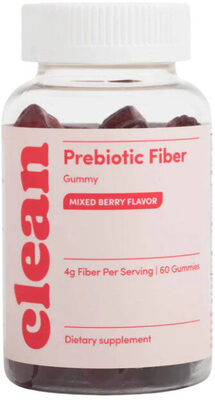
Prebiotic Fiber
Keto Analysis
We recommend searching for certified Keto alternatives.
Pro Tip
Always double-check the label. Manufacturers change ingredients frequently without notice!