
Is Premium enriched bread Gluten Free?
The short answer is no. Premium enriched bread is not gluten-free, as it is primarily made from wheat flour and contains barley malt. If you have Celiac disease or a gluten sensitivity, this bread should be avoided. Let's break down exactly why it fails the gluten-free test and look at its nutritional profile.
The Ingredient Breakdown
When determining if a bread is safe for a gluten-free diet, we must look beyond the marketing claims and dive straight into the ingredient list. For Premium enriched bread, the verdict is clear based on three specific flags: wheat, barley, and malt.
The very first ingredient listed is Wheat flour (enriched with barley malt). This is the primary component of the bread, meaning the vast majority of the product is derived from wheat. Wheat is one of the three main grains (along with rye and barley) that contain gluten proteins. For individuals with Celiac disease, consuming wheat triggers an autoimmune response that damages the small intestine.
Furthermore, the inclusion of Barley malt is a significant red flag. Barley is a distinct gluten-containing grain. Even if the wheat were somehow removed, the presence of barley malt alone would disqualify this product from being gluten-free. Additionally, the ingredient list mentions Malt separately later in the ingredients, reinforcing that malt-derived ingredients are used in the formulation. These ingredients act as flavor enhancers and yeast food, but they are strictly off-limits for a gluten-free diet.
While the bread contains enriching additives like Niacin, Iron, and B Vitamins, and dough conditioners like DATEM and Mono & Diglycerides (which are generally gluten-free but often processed in facilities that handle wheat), the core ingredients remain the dealbreaker. There is no substitute flour, such as rice, almond, or tapioca flour, used here to make it safe.
Nutritional Value
While this bread is not suitable for a gluten-free diet, it is helpful to understand its nutritional standing for those who can eat it. The 'enriched' aspect means the manufacturer has added back vitamins and minerals lost during the processing of the wheat flour. This includes Niacin (Vitamin B3), Iron, Thiamine Mononitrate, Riboflavin, and Folic Acid. These are essential for energy metabolism and general health.
In terms of macronutrients, the inclusion of Sugar, Honey, and Soybean Oil contributes to the calorie count. The bread also contains dairy derivatives like Whey, Non-fat milk, and Buttermilk, which add small amounts of protein and fat. The presence of Soy fiber is a positive addition, as it increases the dietary fiber content slightly, which aids in digestion. However, because this is a standard white bread (despite the enrichment), it likely lacks the high fiber content found in 100% whole grain options. It serves as a standard source of carbohydrates for energy but does not offer the low-glycemic benefits of high-fiber, sprouted, or ancient grain breads.
Frequently Asked Questions
Does Premium enriched bread contain dairy or gluten?
Is Premium enriched bread good for weight loss?
Where can I buy Premium enriched bread?
Is Premium enriched bread safe for kids?
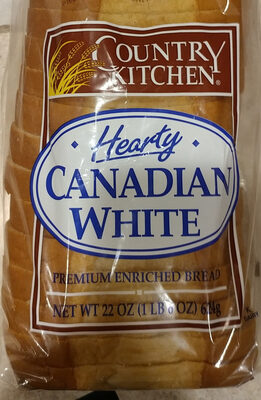
Premium enriched bread
Gluten Free Analysis
We recommend searching for certified Gluten Free alternatives.
Pro Tip
Always double-check the label. Manufacturers change ingredients frequently without notice!