
Is Protein Bars Keto?
No, standard Protein Bars are generally not keto-friendly. While they may seem like a convenient low-carb snack, a closer look at the ingredient list reveals hidden sugars and starches that can easily knock you out of ketosis. This article breaks down exactly why these specific bars fail the keto test and what you should look for instead.
The Ingredient Breakdown
As a food scientist, I look past the marketing claims on the front of the package and go straight to the ingredient label. For a product to be truly keto, it must prioritize healthy fats and protein while strictly minimizing carbohydrates. Unfortunately, the ingredients in this specific protein bar formulation raise several red flags for anyone following a ketogenic diet.
The first major issue is the inclusion of honey and sugar. Honey is often marketed as a 'natural' sweetener, but metabolically, it is almost pure glucose and fructose. Both honey and standard sugar cause rapid spikes in blood glucose and insulin levels. On a keto diet, the goal is to keep insulin low to encourage the body to burn fat for fuel (ketosis). Ingesting these high-glycemic sweeteners is the fastest way to halt that process.
Furthermore, the presence of glucose syrup is a significant concern. Derived from starch (often corn), glucose syrup is a highly processed liquid sweetener with a very high glycemic index. It provides 'empty calories' and contributes directly to your daily carb limit without offering nutritional value.
Perhaps the most deceptive ingredient here is rice flour. While often used as a binder or filler in processed bars, rice flour is a concentrated source of carbohydrates. It acts much like wheat flour in the body, digesting quickly into glucose. Even a small amount of rice flour can add up to 5-10 grams of net carbs, which could consume a large portion of your daily allowance on keto (typically 20-30g net carbs).
Finally, while chicory root fiber (inulin) is a common prebiotic fiber and generally acceptable on keto, the sheer volume of other carb-heavy ingredients like almonds and peanuts (which have carbs of their own) combined with the sugars makes the net carb count too high. The balance is simply off for a strict low-carb diet.
Nutritional Value
When evaluating a protein bar for keto, the most important metric isn't just total calories or protein—it's the Net Carb count (Total Carbohydrates minus Fiber and Sugar Alcohols). Based on the ingredients listed, this bar likely contains a significant amount of sugar and starch.
Typically, a bar containing honey, sugar, and rice flour will clock in with anywhere from 20g to 30g of total carbohydrates per serving. Even if it contains 10g of fiber, the remaining net carbs would likely be around 15g-20g. For a strict keto dieter aiming for 20g of net carbs per day, consuming a single bar could use up nearly your entire allowance, leaving little room for vegetables or other meals.
Additionally, the fat content in this bar is likely moderate, derived from palm kernel oil and cocoa butter. While these are fats, the bar isn't high enough in fat to be considered a 'keto macro' snack. Instead, it acts more like a high-sugar, high-calorie candy bar disguised as health food. If you are tracking macros, this product will make it very difficult to maintain the high-fat, low-carb ratio required for ketosis.
Frequently Asked Questions
Does Protein Bars contain dairy or gluten?
Is Protein Bars good for weight loss?
Where can I buy Protein Bars?
Is Protein Bars safe for kids?
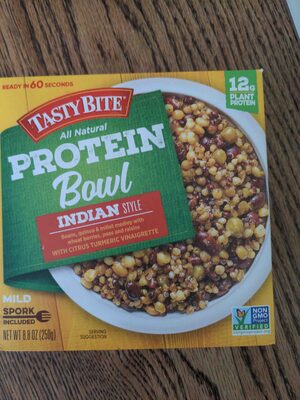
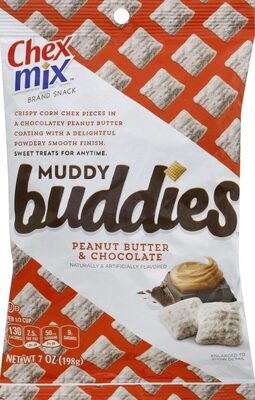
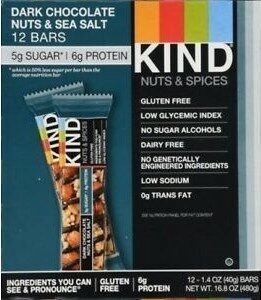
Protein Bars
Keto Analysis
We recommend searching for certified Keto alternatives.
Pro Tip
Always double-check the label. Manufacturers change ingredients frequently without notice!