
Is PROTEIN SHAKE Vegan?
No, PROTEIN SHAKE is not vegan. While the name suggests a generic supplement, the ingredient list reveals a heavy reliance on dairy derivatives. If you are strictly plant-based, this drink is off-limits due to its milk content.
The Ingredient Breakdown
When analyzing whether a product fits a vegan lifestyle, we look beyond the marketing and dive straight into the formulation. For this specific PROTEIN SHAKE, the primary issue isn't a hidden additive; it is the foundational protein source itself. The first few ingredients listed usually constitute the bulk of the product, and here, we see a dominance of animal-derived compounds.
The most significant flags are milk protein isolate, calcium caseinate, and sodium caseinate. These are not incidental additives; they are the main event. Caseinates are proteins extracted specifically from cow's milk. They are popular in non-vegan supplements because they provide a thick texture and a slow-digesting protein profile, but they are strictly dairy. Milk protein isolate is a catch-all term for the solids found in milk, excluding the water and lactose, meaning it is essentially concentrated dairy.
Even if you were to look past the protein, other ingredients raise concerns for strict vegans. Carrageenan, a thickener derived from red seaweed, is technically plant-based, but it is often processed using animal-derived clarifying agents in industrial settings, though this varies by manufacturer. However, the presence of cholecalciferol (Vitamin D3) is a common non-vegan culprit. While Vitamin D3 can be derived from lichen, it is frequently synthesized from lanolin (sheep's wool oil). Without explicit "vegan" labeling, it is safe to assume the D3 here is animal-derived.
Nutritional Value
From a nutritional standpoint, this PROTEIN SHAKE is designed as a meal replacement or a heavy supplement, packing a significant caloric punch. A standard serving contains roughly 170 to 200 calories, which is substantial for a drink but appropriate if you are skipping a meal. The fat content is moderate, utilizing canola oil and sunflower oil to help with satiety and vitamin absorption.
The carbohydrate content is where things get interesting for those watching their sugar intake. It uses a blend of maltodextrin (a high-glycemic index starch) and inulin (a prebiotic fiber). While inulin is great for gut health, the inclusion of artificial sweeteners like sucralose and acesulfame potassium indicates a desire to keep sugar low while maintaining sweetness. This makes the shake low in sugar, which fits well into a low-carb or diabetic-friendly diet, provided you tolerate artificial sweeteners.
Regarding protein content, the shake delivers a robust amount, typically around 20-30g per serving. However, because the source is dairy-based (casein and whey derivatives), the amino acid profile is complete for muscle building, but it comes with the digestive downsides of lactose for many people. It is also fortified with a wide array of vitamins and minerals, making it nutritionally dense, but this does not negate the fact that the protein source is animal-derived.
Frequently Asked Questions
Does PROTEIN SHAKE contain dairy or gluten?
Is PROTEIN SHAKE good for weight loss?
Where can I buy PROTEIN SHAKE?
Is PROTEIN SHAKE safe for kids?
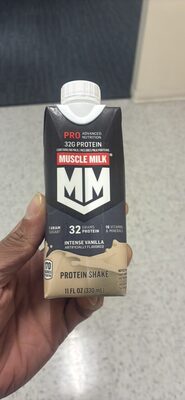
PROTEIN SHAKE
Vegan Analysis
We recommend searching for certified Vegan alternatives.
Pro Tip
Always double-check the label. Manufacturers change ingredients frequently without notice!