
Is Pudding & pie filling Vegan?
The short answer is MAYBE. If you are strictly vegan, this specific pudding and pie filling mix presents a significant hurdle due to the presence of mono- and diglycerides. While it lacks obvious animal products like milk or gelatin, the source of these emulsifiers is often ambiguous.
The Ingredient Breakdown
When analyzing whether a processed dessert mix fits a vegan lifestyle, we have to look beyond the obvious. The ingredients list for this Pudding & pie filling is a textbook example of modern food science, prioritizing texture and shelf-stability over whole-food simplicity.
The primary red flag for vegans is mono- and diglycerides. These are emulsifiers used to blend oil and water ingredients together, ensuring the pudding sets smoothly. While they can be derived from plant sources (like soybean oil), they are equally likely to be sourced from animal fat (tallow). Because manufacturers are not required to specify the origin, strict vegans must avoid this ingredient.
There are also several synthetic additives present. Titanium dioxide is used for whitening, though it is currently banned in the EU for safety concerns. Artificial sweeteners like Aspartame and Acesulfame Potassium replace sugar to lower calories, and artificial colors Yellow 5 and Yellow 6 provide the vibrant hue. While these are chemically synthesized and not animal-derived, many vegans prefer to avoid them due to ethical or health concerns regarding animal testing.
Finally, BHA (Butylated Hydroxyanisole) is a preservative added to prevent the fats and oils from going rancid. It is a synthetic antioxidant that is controversial in the health community, though it is technically vegan-friendly.
Nutritional Value
From a nutritional standpoint, this product is designed for convenience rather than health. It relies heavily on Corn Syrup Solids and modified starches, meaning the majority of its calories come from refined carbohydrates. This causes a rapid spike in blood sugar, followed by a crash.
The use of Aspartame and Acesulfame Potassium attempts to mitigate the sugar content, but these non-nutritive sweeteners have been linked to disrupting gut microbiomes in some studies. The fat content is low, but the source is the controversial mono- and diglycerides. Overall, this is a 'sometimes' food—a treat to be enjoyed in moderation rather than a dietary staple. It fits within a low-fat diet plan but is not suitable for those avoiding artificial additives.
Frequently Asked Questions
Does Pudding & pie filling contain dairy or gluten?
Is Pudding & pie filling good for weight loss?
Where can I buy Pudding & pie filling?
Is Pudding & pie filling safe for kids?
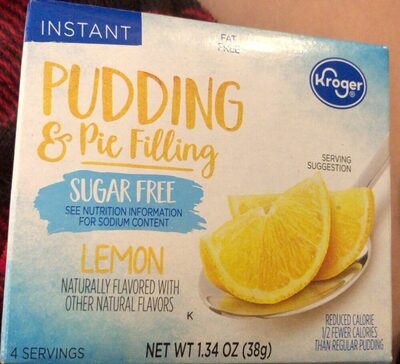
Pudding & pie filling
Vegan Analysis
We recommend searching for certified Vegan alternatives.
Pro Tip
Always double-check the label. Manufacturers change ingredients frequently without notice!