
Is Puffcorn Halal?
The direct answer to whether Puffcorn is Halal is: **MAYBE**. While the primary ingredients like cornmeal and oil are inherently Halal, the specific 'natural flavor' used in the seasoning blend creates a gray area that requires verification. This investigation breaks down exactly why this popular snack isn't a straightforward 'yes' and what you should look for on the label.
The Ingredient Breakdown
When analyzing the Halal status of a processed snack like Puffcorn, we must look beyond the marketing and inspect the chemistry of the seasoning. The base puffs are simply extruded cornmeal, fried in canola or sunflower oil, and salted. None of these core components present a Halal concern. The issue lies entirely in the Natural Flavor component.
In savory snacks, 'Natural Flavor' is a catch-all term that can hide complex mixtures derived from animal or fermentation sources. To achieve a rich, savory, or cheesy profile without using actual cheese, manufacturers often utilize flavor enhancers derived from yeast extracts or hydrolyzed vegetable protein. While these are often plant-derived, there is a specific risk regarding enzymes.
Many savory flavorings utilize enzymes to process proteins for better texture and taste. These enzymes can be derived from animal sources (such as porcine/pancreatin) or microbial fermentation. If the enzymes used to process the 'natural flavor' were derived from a non-Halal animal source, the final product would not be Halal, even if the animal derivative is chemically modified and not present in the final molecular structure. Therefore, the 'natural flavor' is the single flag that prevents Puffcorn from receiving a definitive Halal certification without direct confirmation from the manufacturer.
Nutritional Value
From a nutritional standpoint, Puffcorn is designed to be a light, airy snack, which often leads to a lower density of calories per volume compared to dense potato chips. However, it is still a refined carbohydrate source fried in oil. A standard serving typically contains between 120 and 150 calories, with the vast majority coming from carbohydrates and fats.
The fat content usually hovers around 4 to 6 grams per serving, primarily from canola or sunflower oil. While these are vegetable oils and generally considered heart-healthier than animal fats, the processing method (frying) adds to the total fat load. Additionally, the 'natural flavor' often contains hidden sugars or yeast extract, which contributes to the sodium content. It is not a nutrient-dense food, but rather an energy-dense snack suitable for occasional consumption within a balanced diet.
Frequently Asked Questions
Does Puffcorn contain dairy or gluten?
Is Puffcorn good for weight loss?
Where can I buy Puffcorn?
Is Puffcorn safe for kids?
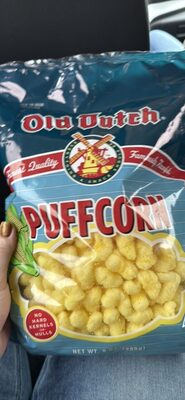
Puffcorn
Halal Analysis
We recommend searching for certified Halal alternatives.
Pro Tip
Always double-check the label. Manufacturers change ingredients frequently without notice!