
Is Pumpkin Cheesecake Halal?
The direct answer is MAYBE. While this Pumpkin Cheesecake recipe avoids obvious haram ingredients like pork gelatin or alcohol, it contains specific additives that require a closer look. The primary flags are the source of the whey protein and the type of vanilla extract used.
The Ingredient Breakdown
As a food scientist, I look at the molecular composition of ingredients to determine their source. For this Pumpkin Cheesecake, the ingredients list is a mix of whole foods and highly processed additives. Let's break down the specific items that determine the Halal status.
The base of the cheesecake is relatively safe. Cream cheese, organic pumpkin, eggs, and butter are naturally Halal. The almond flour provides a gluten-free structure, which is excellent for those with sensitivities. However, the complexity begins with the additives.
The most significant flag is the vanilla extract. Standard vanilla extract is made by macerating vanilla beans in a solution of ethanol (alcohol) and water. While the alcohol content in a small serving of cheesecake is negligible, strict Halal guidelines often prohibit alcohol entirely, even in trace amounts used for extraction. Unless the vanilla extract is labeled as 'alcohol-free' or uses a glycerin base, this is a point of concern.
Next, we have the whey protein powder. This ingredient is a complex blend containing calcium caseinate and colostrum. Whey and casein are derived from milk, but the Halal status depends on the rennet used in the cheese culture process. If animal-derived rennet is used, it must come from a Halal source. Additionally, colostrum (the first form of milk produced by mammals) is generally considered Halal if sourced from Halal-certified dairy, but it is an ingredient rarely seen in standard desserts and warrants verification.
Finally, the non-dairy coconut creamer and digestive enzymes are usually plant-based or microbial, but cross-contamination or hidden animal derivatives in processing aids can occur. The stevia and erythritol are sugar substitutes that are chemically Halal, but the source of the erythritol (fermentation process) is sometimes scrutinized by strict scholars.
Nutritional Value
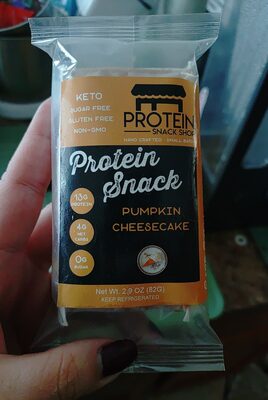
From a nutritional standpoint, this Pumpkin Cheesecake is designed as a 'high-protein, low-sugar' dessert. The inclusion of whey protein isolate, egg protein, and collagen significantly boosts the protein content, likely exceeding 15-20g per serving depending on the slice size. This makes it a satiating option compared to traditional cheesecakes.
The sweetener profile relies on erythritol and stevia, which are non-nutritive sweeteners. This keeps the glycemic load low, making it a suitable option for those monitoring blood sugar levels or following a ketogenic diet (due to the almond flour and low net carbs). However, the presence of maltodextrin (a carbohydrate often derived from corn or wheat) can spike blood sugar if not from a resistant source, though it is usually used in small amounts in protein blends.
The fat content is moderate, primarily coming from cream cheese, butter, and coconut creamer. These are saturated fats, which provide richness but should be consumed in moderation. Overall, it is a nutrient-dense dessert that fits well into a balanced diet, provided you are not sensitive to dairy or the gums (guar, xanthan) used for texture.
Frequently Asked Questions
Does Pumpkin Cheesecake contain dairy or gluten?
Is Pumpkin Cheesecake good for weight loss?
Where can I buy Pumpkin Cheesecake?
Is Pumpkin Cheesecake safe for kids?
Pumpkin Cheesecake
Halal Analysis
We recommend searching for certified Halal alternatives.
Pro Tip
Always double-check the label. Manufacturers change ingredients frequently without notice!