
Is Pure Protein Vegan? A Food Scientist's Deep Dive
No, Pure Protein bars are not vegan. While they are packed with protein, the primary sources are animal-derived. If you are strictly plant-based, you need to skip this brand and look for alternatives that use pea, rice, or hemp protein instead.
The Ingredient Breakdown
As a food scientist, looking at the label of a Pure Protein bar reveals exactly why it fails the vegan test. The issue isn't just one minor additive; the core structure of the product is built on animal agriculture. The primary ingredient listed is the Protein Blend, which explicitly includes Whey Protein Concentrate, Milk Protein Isolate, and Whey Protein Isolate. All three of these are direct byproducts of the dairy industry, making the product unsuitable for vegans and many vegetarians.
It doesn't stop there. Another major flag is Hydrolyzed Collagen. Collagen is a structural protein found in the connective tissues of animals. In the supplement world, this is almost exclusively sourced from bovine (cows) or porcine (pigs) hides. It is a popular ingredient for joint health claims, but it is definitively not vegan. Finally, while Almond Butter is plant-based, the presence of Sugar and Natural Flavor raises further questions. Strict vegans often avoid refined white sugar because it is frequently processed using bone char (animal bone), and natural flavors can sometimes hide animal-derived compounds, though the dairy and collagen here are the undeniable dealbreakers.
Nutritional Value
From a nutritional standpoint, Pure Protein bars are designed for utility rather than whole-food purity. They are calorie-dense, often ranging from 180 to 220 calories per bar, depending on the flavor. The fat content is moderate, largely derived from Partially Defatted Peanut Flour, Peanut Oil, and Fractionated Palm Kernel Oil. While peanuts are a healthy fat source, palm oil is often processed and has environmental concerns.
The carbohydrate profile is where things get interesting for those watching their sugar intake. The bars rely heavily on Maltitol Syrup and Maltitol for sweetness and texture. Maltitol is a sugar alcohol that has a lower glycemic index than table sugar, but it is notorious for causing digestive distress (gas and bloating) in many people. The bars also contain Sucralose, an artificial sweetener. While the protein count (usually 20g) is impressive, the combination of artificial sweeteners and processed fats makes this a 'functional' food rather than a health food.
Frequently Asked Questions
Does Pure Protein contain dairy or gluten?
Is Pure Protein good for weight loss?
Where can I buy Pure Protein?
Is Pure Protein safe for kids?
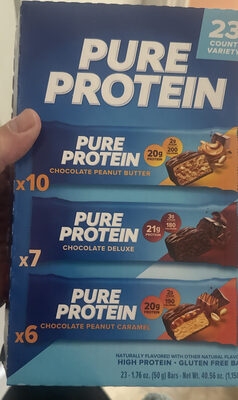
Pure Protein
Vegan Analysis
We recommend searching for certified Vegan alternatives.
Pro Tip
Always double-check the label. Manufacturers change ingredients frequently without notice!