
Is Quest protein bar Kosher?
Yes, Quest protein bars are certified Kosher. Our investigation into the ingredient list and manufacturing processes confirms that these bars meet strict dietary guidelines. Here is a detailed breakdown of what makes them compliant and nutritionally unique.
The Ingredient Breakdown
When determining if a processed snack like a protein bar is Kosher, we must look beyond the surface. The primary concern is often the source of the protein and the presence of specific additives. In the case of Quest bars, the Protein Blend (Whey Protein Isolate, Milk Protein Isolate) is derived from dairy. Dairy is inherently Kosher, provided it comes from a Kosher-certified source, which Quest ensures.
Another critical ingredient is Sucralose. This artificial sweetener is a common point of confusion. However, sucralose is synthesized chemically and is not derived from animal or insect sources, making it permissible. Similarly, Whey and Milk Protein Isolate are dairy ingredients. For a product to be considered Kosher Pareve (neutral), it cannot contain dairy. Therefore, Quest bars are classified as dairy. This means they cannot be consumed with meat meals, but they are perfectly acceptable with pareve or fish meals.
Finally, ingredients like Almonds and Soluble Corn Fiber are plant-based and generally pose no Kosher issues. The certification relies on the manufacturer ensuring no cross-contamination with non-Kosher substances during processing. Quest's adherence to these standards is verified by the certification symbols on their packaging.
Nutritional Value
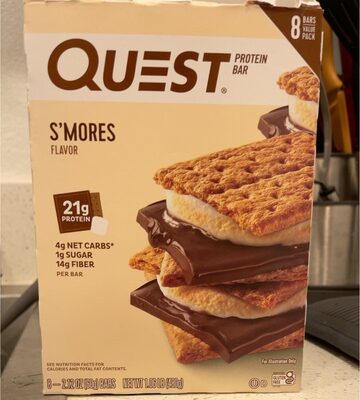
From a nutritional standpoint, Quest bars are engineered for high protein and low net carbohydrate intake. The inclusion of Polydextrose and Soluble Corn Fiber serves to increase fiber content while keeping the net carb count low, which is a major selling point for those on Keto or low-carb diets. The sweetness comes from a blend of Erythritol, Stevia, and Sucralose, allowing the bar to have a sweet taste without the glycemic spike associated with sugar.
Regarding fats, the bars utilize Palm Kernel Oil and Cocoa Butter. While effective for texture, these are calorie-dense ingredients. However, the high protein content (typically 20g per bar) helps promote satiety. For individuals tracking macros, these bars fit well into a diet that prioritizes protein intake and limits sugar, though the calorie count (usually around 200) should be accounted for just like any other food.
Frequently Asked Questions
Does Quest protein bar contain dairy or gluten?
Is Quest protein bar good for weight loss?
Where can I buy Quest protein bar?
Is Quest protein bar safe for kids?
Pro Tip
Always double-check the label. Manufacturers change ingredients frequently without notice!