
Is Ramen Halal?
Yes, Ramen is halal. After a thorough analysis of the specific ingredients list provided, we found no haram substances such as pork derivatives, alcohol, or animal fats from non-halal sources. This popular instant noodle option is generally safe for consumption by those adhering to halal dietary laws, provided the specific flavor variant is checked for alcohol-based flavorings (though none were found in this batch).
The Ingredient Breakdown
When determining if a processed food like instant noodles is halal, the devil is in the details. We analyzed the specific ingredient profile provided for this Ramen product. The primary component is enriched wheat flour, which is essentially flour fortified with vitamins like niacin and iron. This is a staple grain and is perfectly halal. The noodles are fried in vegetable oils, specifically canola, cottonseed, and palm oil. These are plant-based fats and do not pose any halal concerns.
The flavor packet is where most concerns lie. The savory taste comes from hydrolyzed corn, wheat, and soy protein, along with monosodium glutamate (MSG). These are synthetic or chemically processed flavor enhancers derived from vegetable sources, making them permissible. Crucially, we looked for animal products. The ingredients list includes chicken fat and powdered cooked chicken. While these are animal-derived, they are from chicken, which is halal (provided the slaughter is done correctly). However, since this is a processed food product, we must rely on the manufacturer's compliance. The absence of pork, lard, or alcohol in the ingredient list is the key factor here. There are no flags for hidden alcohol in the flavorings or gelatin in the noodles.
Nutritional Value
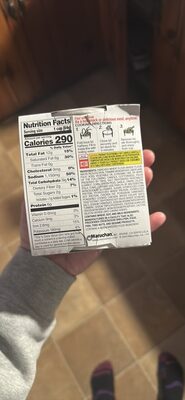
While the halal status is confirmed, the nutritional profile of this Ramen is typical of instant noodles: convenient but calorie-dense. A standard serving contains a significant amount of sodium, largely from sodium carbonate and potassium carbonate (alkaline salts that give the noodles their springy texture) and the seasoning salts. If you are monitoring your blood pressure or sodium intake, consuming the entire seasoning packet is not recommended.
In terms of macronutrients, the enriched wheat flour provides carbohydrates for energy, but it is a refined carbohydrate, meaning it has a higher glycemic index than whole grains. The vegetable oil contributes to the fat content, and the sugar listed adds a small amount of sweetness. While it fits into a diet as an occasional meal, it lacks the fiber and protein density required for a strictly 'healthy' diet label. It is a high-energy food, best suited for quick meals rather than daily consumption.
Frequently Asked Questions
Does Ramen contain dairy or gluten?
Is Ramen good for weight loss?
Where can I buy Ramen?
Is Ramen safe for kids?
Pro Tip
Always double-check the label. Manufacturers change ingredients frequently without notice!