
Is Ramen noodle soup umami soy sauce Vegan?
No, Ramen noodle soup umami soy sauce is not vegan. Despite the savory soy sauce flavor profile, this specific product contains lactose, a milk-derived ingredient that disqualifies it from a plant-based diet. While it offers a rich, umami experience, strict vegans will need to avoid this flavor variety.
The Ingredient Breakdown
As a food scientist, I always look beyond the marketing claims on the front of the package to the chemistry on the back. When analyzing the ingredients for Ramen noodle soup umami soy sauce, the verdict is clear: it is not vegan. The primary culprit is lactose. Lactose is a sugar found exclusively in milk, and its presence here indicates the inclusion of dairy solids, likely to enhance the mouthfeel or savory profile of the seasoning.
Furthermore, the flavor profile relies heavily on animal-friendly flavor enhancers. The soup base utilizes disodium guanylate and disodium inosinate. While these are often plant-derived (usually from yeast or fish), they are almost always paired with monosodium glutamate (MSG) to create a synergistic umami effect. The inclusion of monosodium glutamate and natural and artificial flavor creates a complex taste that is difficult to trace back to a single plant source without further manufacturer clarification.
Finally, the noodles themselves contain wheat flour and modified food starch. While the starch is likely corn or potato-based, the presence of wheat makes this product unsuitable for those with gluten intolerance, though it does not affect the vegan status. The inclusion of caramel color and beta carotene is standard for visual appeal and is plant-safe, but it doesn't outweigh the dairy flag.
Nutritional Value
From a nutritional standpoint, this product fits the typical instant noodle profile: high in sodium and carbohydrates, with moderate fat content. The sodium hexametaphosphate and various sodium phosphates act as preservatives and texture stabilizers, contributing significantly to the overall salt load. If you are monitoring your sodium intake, this soup should be consumed sparingly.
The caloric density is primarily driven by the fried noodles and the sugar added to the seasoning. While the rice oil used for frying is plant-based, the overall calorie count per serving is standard for a quick meal. It provides quick energy but lacks significant fiber or protein. For those following a weight loss plan, this item is generally considered a 'sometimes' food rather than a dietary staple due to the low satiety index relative to the calorie count.
Frequently Asked Questions
Does Ramen noodle soup umami soy sauce contain dairy or gluten?
Is Ramen noodle soup umami soy sauce good for weight loss?
Where can I buy Ramen noodle soup umami soy sauce?
Is Ramen noodle soup umami soy sauce safe for kids?


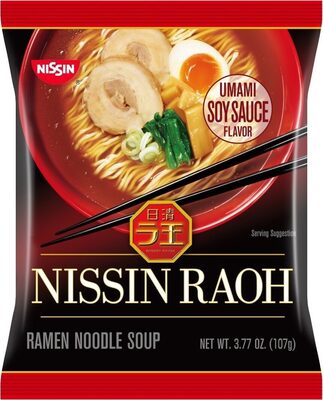
Ramen noodle soup umami soy sauce
Vegan Analysis
We recommend searching for certified Vegan alternatives.
Pro Tip
Always double-check the label. Manufacturers change ingredients frequently without notice!