
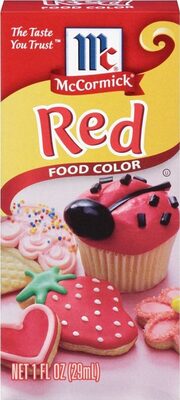
Is Red food color Gluten Free?
Yes, Red food color is gluten-free. Based on a detailed breakdown of its chemical composition, there are no wheat, barley, rye, or gluten-derived ingredients present. This makes it a safe option for those with Celiac disease or gluten sensitivity looking to add a splash of color to their baking and beverages.
The Ingredient Breakdown
When determining if a food additive is safe for a gluten-free diet, we must look beyond the marketing and dive straight into the formulation. As a food scientist, I look for hidden starches or grain-based alcohols that might carry gluten proteins. Fortunately, the formulation for this Red food color is straightforward and chemically synthesized rather than derived from grains.
The primary vehicle here is Water, which acts as a solvent and is naturally free of allergens. The second ingredient, Propylene Glycol, is a common food-grade humectant and solvent. It is typically derived from petroleum or fermented corn sugar, not wheat. While propylene glycol is chemically distinct from the toxic automotive antifreeze (ethylene glycol), it is worth noting that it is a synthetic chemical additive, though FDA-approved for consumption.
The color itself comes from a blend of FD&C Red 40 (E129) and FD&C Red 3 (E127). These are synthetic color dyes created in a laboratory setting. Because they are manufactured through chemical synthesis rather than extracted from biological sources, they do not contain gluten. Finally, the preservative Propylparaben (E216) at 0.1% ensures shelf stability. Parabens are esters of parahydroxybenzoic acid and are not associated with gluten grains. Therefore, from a chemical structure standpoint, this product is safe for a gluten-free lifestyle.
Nutritional Value
From a nutritional standpoint, Red food color is essentially inert. It is not a source of macronutrients, meaning it contributes no significant carbohydrates, fats, or proteins to your diet. The caloric value is negligible, effectively zero per serving, which makes it an excellent tool for dieting or managing blood sugar levels while still enjoying visually appealing foods.
However, it is important to distinguish between 'gluten-free' and 'nutritious.' While this additive fits within the limits of a strict gluten-free or low-calorie diet, it provides no vitamins, minerals, or fiber. It is strictly a cosmetic ingredient. For those monitoring their intake of additives, the presence of synthetic dyes like Red 40 is the primary consideration, rather than any impact on daily caloric or sugar limits.
Frequently Asked Questions
Does Red food color contain dairy or gluten?
Is Red food color good for weight loss?
Where can I buy Red food color?
Is Red food color safe for kids?

Pro Tip
Always double-check the label. Manufacturers change ingredients frequently without notice!