
Is Reduced fat milk Halal?
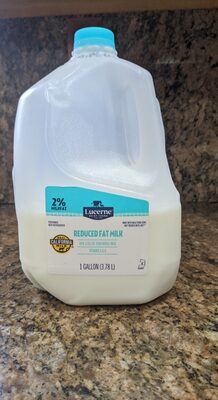
Yes, Reduced fat milk is Halal. Our investigation into the specific ingredients, including fat free milk and added vitamins, found no Haram components or questionable processing agents. It is a safe choice for those adhering to Halal dietary guidelines.
The Ingredient Breakdown
When determining if a dairy product is Halal, the primary concern is the source of the enzymes used in coagulation and the additives used for fortification. For Reduced fat milk, the ingredient list is remarkably clean and straightforward. The base product is simply reduced fat milk and fat free milk. These are derived from cows, which are generally considered Halal provided the animal is healthy and slaughtered according to Islamic rites. However, in the case of fluid milk that is not meat, the slaughter status is less relevant than the processing aids.
Looking at the fortification ingredients, we see Vitamin A Palmitate and Vitamin D3. Vitamin A Palmitate is a synthetic version of Vitamin A. While early debates existed regarding the source of Vitamin D3 (which is often derived from lanolin found in sheep's wool), the vast majority of Vitamin D3 used in mass-market dairy in the United States is synthesized from cholesterol derived from lanolin. Lanolin is a substance from sheep wool, not the animal's flesh or blood, and is widely accepted as Halal by major Islamic councils. There are no animal-derived enzymes like rennet used in fluid milk processing, making it inherently Halal.
Nutritional Value
Reduced fat milk, often labeled as 2% milk, strikes a balance between the creaminess of whole milk and the leanness of skim milk. It contains approximately 5 grams of fat per 8-ounce serving, compared to the 8 grams in whole milk and 0 grams in skim. This makes it an excellent fit for a diet that requires heart health management without sacrificing the satiety that fat provides.
Regarding sugar, Reduced fat milk naturally contains lactose, a sugar found in dairy. There are no added sugars in the ingredient list provided. For those monitoring their caloric intake, this milk offers roughly 120-130 calories per cup. It fits well within standard dietary limits for protein and calcium intake while keeping saturated fat lower than whole milk options.
Frequently Asked Questions
Does Reduced fat milk contain dairy or gluten?
Is Reduced fat milk good for weight loss?
Where can I buy Reduced fat milk?
Is Reduced fat milk safe for kids?

Pro Tip
Always double-check the label. Manufacturers change ingredients frequently without notice!