
Is Rice Krispies Treats Halal?
No, Rice Krispies Treats are not considered Halal. While the main ingredients seem harmless, a closer look at the label reveals a specific additive that makes these popular snacks unsuitable for a Halal diet. The primary culprit is gelatin, a common ingredient in marshmallows and many processed foods.
The Ingredient Breakdown
As a food scientist, I look beyond the marketing to see what is actually in our food. When analyzing the ingredients list for Rice Krispies Treats, the verdict becomes clear. The product contains a significant amount of processed ingredients, but one stands out for those following a Halal diet.
The main issue is the presence of gelatin. Gelatin is a protein obtained by boiling skin, tendons, ligaments, and/or bones with water. It is usually obtained from cows or pigs. In the context of Rice Krispies Treats, gelatin is used as a setting agent in the marshmallow component. For a product to be Halal, if the gelatin is derived from pork, it is strictly forbidden (Haram). If derived from beef, it must come from an animal that was slaughtered according to Islamic law (Zabihah). Without specific Halal certification, it is impossible to guarantee the source or the slaughter method, making the gelatin in this product a major red flag.
Beyond the gelatin, the natural and artificial flavors are also a point of concern. These are proprietary blends, and manufacturers are not required to disclose their sources. They could potentially contain alcohol or other animal-derived components that are not Halal. Furthermore, the vegetable oil is a blend of soybean and palm oil. While palm oil is generally considered Halal, some vegans avoid it for environmental reasons, and it is often processed with additives. The presence of BHT, a synthetic antioxidant used to preserve freshness, is also noted, which is a common but debated additive in processed foods.
Nutritional Value
From a nutritional standpoint, Rice Krispies Treats are a source of empty calories. The primary ingredients are corn syrup, fructose, and sugar, placing these treats firmly in the category of high-sugar snacks. A single serving can contain a significant portion of the recommended daily sugar intake, which can contribute to energy spikes and crashes, and long-term health issues if consumed regularly.
In terms of macronutrients, the treats provide carbohydrates almost exclusively from sugar and refined cereal. The fat content comes from vegetable oils and cocoa butter in the chocolate gems. There is very little dietary fiber or protein, meaning they do not offer significant satiety or nutritional benefit. While they can be an occasional indulgence, they do not fit into a diet focused on whole foods, weight management, or blood sugar control.
Frequently Asked Questions
Does Rice Krispies Treats contain dairy or gluten?
Is Rice Krispies Treats good for weight loss?
Where can I buy Rice Krispies Treats?
Is Rice Krispies Treats safe for kids?
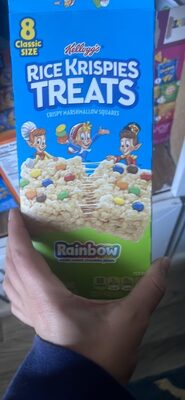
Rice Krispies Treats
Halal Analysis
We recommend searching for certified Halal alternatives.
Pro Tip
Always double-check the label. Manufacturers change ingredients frequently without notice!