
Is Rice ramen Vegan?
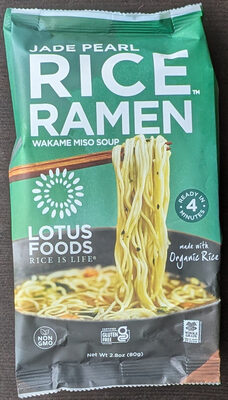
Yes, Rice ramen is vegan. Based on the ingredient list provided, this product is entirely plant-based, utilizing rice flours and a savory miso-based soup pack. It offers a safe and delicious option for those following a strict vegan diet without the need to worry about hidden animal derivatives.
The Ingredient Breakdown
When determining if a processed food like instant ramen is vegan, the devil is often in the details. However, in the case of this specific Rice ramen, the formulation is surprisingly clean from an ethical dietary standpoint. Let's look at the core components.
The noodle block itself is made from brown and white rice flours. This is a fantastic base for vegans. Unlike traditional wheat ramen, which often contains traces of alkaline agents derived from animal products or is processed on shared equipment with egg noodles, rice flour is naturally vegan and generally safe.
The real test is usually the soup pack. Here, we see white miso powder. Miso is a traditional Japanese seasoning produced by fermenting soybeans with salt and a fungus called koji. While miso is inherently vegan, some varieties (like red miso) can sometimes use fish extracts, though this is rare. White miso is almost exclusively plant-based. The ingredients list explicitly notes it is made of "cultured soybeans and rice," confirming its vegan status.
Other savory enhancers like tamari powder (a gluten-free soy sauce alternative), soybean powder, and white onion powder are strictly plant-derived. Even the inclusion of dried wakame seaweed and dried parsley adds nutritional value and flavor without crossing any ethical lines. There are no flags for dairy, eggs, honey, or meat derivatives in this profile.
Nutritional Value
While being vegan checks the ethical box, it is important to consider the nutritional profile of Rice ramen. Like most instant noodles, the primary ingredients are refined carbohydrates (rice flour). This means the product is energy-dense but may lack significant fiber or protein compared to whole-food meals.
The sodium content is a key factor to watch. With ingredients like salt, miso powder, and tamari powder, the sodium levels can be moderate to high. If you are monitoring your blood pressure or salt intake, you might consider using only half the soup packet. However, because the flavor profile is rich in umami from the soy and seaweed, you can often get away with using less salt while maintaining a tasty bowl.
Overall, this Rice ramen fits well into a vegan diet as a convenient, quick meal. It is low in saturated fat (as there are no animal fats present) and provides a quick source of carbohydrates for energy. It is best enjoyed as an occasional comfort food rather than a daily staple if you are strictly watching your processed food intake.
Frequently Asked Questions
Does Rice ramen contain dairy or gluten?
Is Rice ramen good for weight loss?
Where can I buy Rice ramen?
Is Rice ramen safe for kids?

Pro Tip
Always double-check the label. Manufacturers change ingredients frequently without notice!