
Is Riced Cauliflower Bowl Gluten Free?
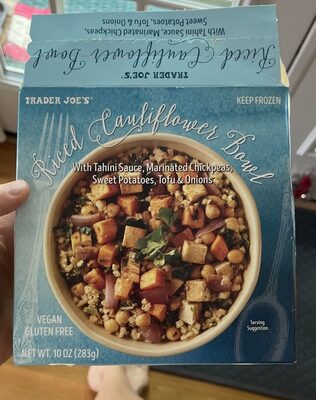
The direct answer to whether a Riced Cauliflower Bowl is gluten-free is: MAYBE. While the base ingredients like cauliflower and sweet potato are naturally safe, the inclusion of tamari soy sauce introduces a potential risk. This article investigates the specific ingredients to determine if this meal fits a strict gluten-free lifestyle.
The Ingredient Breakdown
As a food scientist, I look at the chemical composition of every ingredient to determine safety. When analyzing a generic Riced Cauliflower Bowl, the primary concern for gluten sensitivity isn't the vegetable base, but the flavor enhancers used to make it palatable.
The main red flag in the provided ingredient list is tamari soy sauce. While tamari is traditionally a gluten-free byproduct of miso fermentation (unlike standard soy sauce which contains wheat), it is not always certified gluten-free. In mass-produced facilities, tamari can sometimes be blended with wheat or suffer from cross-contamination. Additionally, the red chili paste often contains thickeners like xanthan gum. While xanthan gum is usually gluten-free, if derived from fermented wheat, it poses a risk unless explicitly labeled otherwise.
Fortunately, the protein sources are safe. The tofu (made with calcium sulfate and glucono-delta-lactone) and the marinated chickpeas contain no gluten derivatives. The tahini sauce is composed of sesame seeds, oil, and lemon, which are naturally safe. However, because the soy sauce is a liquid ingredient mixed into the bowl, it permeates the entire dish, making it unsafe for those with Celiac disease if the tamari is not certified 100% gluten-free.
Nutritional Value
From a nutritional standpoint, the Riced Cauliflower Bowl is designed as a lower-carb alternative to grain-based bowls. The base of cauliflower and kale provides fiber and micronutrients like Vitamin K and Vitamin C without a significant caloric load. The inclusion of sweet potato adds complex carbohydrates for energy, though it also contributes to the total sugar content.
The fat content is moderate and largely derived from healthy sources. The tahini (sesame paste) and olive oil in the marinade provide heart-healthy monounsaturated fats. The protein count is respectable due to the combination of tofu and chickpeas, making this a satiating meal that fits well into a balanced diet. However, consumers watching their sodium intake should be aware that soy sauce and marinades significantly increase salt levels.
Frequently Asked Questions
Does Riced Cauliflower Bowl contain dairy or gluten?
Is Riced Cauliflower Bowl good for weight loss?
Where can I buy Riced Cauliflower Bowl?
Is Riced Cauliflower Bowl safe for kids?

Riced Cauliflower Bowl
Gluten Free Analysis
We recommend searching for certified Gluten Free alternatives.
Pro Tip
Always double-check the label. Manufacturers change ingredients frequently without notice!