
Is Risotto Gluten Free?
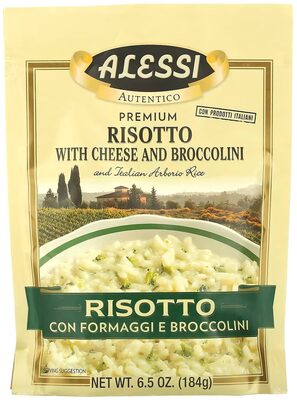
Yes, the Risotto in question is gluten-free. Our analysis of the ingredient list confirms the absence of wheat, barley, or rye, relying instead on Arborio rice and corn-based thickeners. While safe for gluten-sensitive diets, you should be aware of other ingredients like MSG and dairy.
The Ingredient Breakdown
When determining if a processed food like risotto is safe for a gluten-free diet, we have to look beyond the main grain. The primary ingredient here is Arborio rice, which is naturally gluten-free. This short-grain rice is the traditional base for risotto, providing the necessary starch to create that creamy texture without the need for wheat flour.
Next, we examined the thickeners and stabilizers. The product lists modified corn starch, corn meal, and maltodextrin (from corn). This is excellent news for gluten avoidance. Manufacturers often use wheat-based starches as fillers, but in this specific blend, corn is the source. Hydrolyzed corn protein is also used for flavor enhancement and is derived strictly from corn.
The only potential gray area in gluten analysis is flavoring agents, specifically torula yeast. Torula yeast is a fungus grown on wood pulp or alcohol byproducts and is naturally gluten-free. It is frequently used as a savory flavor enhancer to mimic the taste of meat or MSG. Finally, the sodium aluminosilicate listed is an anti-caking agent (salt) and poses no gluten risk.
Nutritional Value
While this risotto is gluten-free, it is a processed food with a specific nutritional profile. A single serving contains a moderate amount of calories, primarily derived from the Arborio rice and the dried cheese sauce. The rice provides quick energy (carbohydrates), but because it is a refined grain, it lacks the fiber of whole grains.
Fat content is largely driven by the parmesan and romano cheese and the buttermilk solids. These contribute to the rich flavor but also add saturated fat and cholesterol. If you are monitoring heart health, this is an ingredient to watch. Additionally, the monosodium glutamate (MSG) and disodium inosinate are flavor enhancers that make the food highly palatable, which can sometimes lead to overconsumption.
Sugar is present in small amounts, likely to balance the saltiness of the cheese and the savory flavor enhancers. Overall, this fits into a gluten-free diet as a convenient side dish, but it is not a 'health food' due to the sodium levels and the presence of processed additives.
Frequently Asked Questions
Does Risotto contain dairy or gluten?
Is Risotto good for weight loss?
Where can I buy Risotto?
Is Risotto safe for kids?
Pro Tip
Always double-check the label. Manufacturers change ingredients frequently without notice!