
Is Roomboter Vegan?
No, Roomboter is not vegan. While the name might sound similar to plant-based spreads, this Dutch staple is strictly an animal-derived product. It is essentially a cultured butter spread, meaning it is made from dairy and contains no plant-based substitutes.
The Ingredient Breakdown
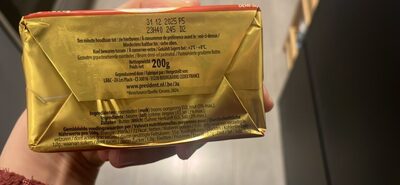
To understand why Roomboter fails the vegan test, we need to look at the two core components listed on the packaging: room (MELK) and zuursel (MELK).
The first ingredient, room, translates to cream. In the context of this product, it is heavy cream sourced from cow's milk. This is the primary fat component that gives the spread its rich texture. The second ingredient, zuursel, translates to starter culture or sourdough. In dairy products, this refers to lactic acid bacteria cultures that are added to the cream to ferment it. This fermentation process creates the distinct tangy flavor associated with butter. Crucially, the label explicitly marks both ingredients as MELK (Milk), confirming their animal origin. There are no hidden plant-based oils or synthetic additives here; Roomboter is 100% dairy.
Nutritional Value
As a dairy-based spread, Roomboter is high in saturated fats and calories. A typical serving contains a significant amount of daily fat requirements, which fits into diets like Keto or Carnivore but is generally limited in heart-healthy or low-calorie diets. Unlike margarine, which often contains added sugars or water, Roomboter is primarily fat and protein derived from milk. It contains no added sugars, making it acceptable for low-sugar diets, but the calorie density means portion control is essential for weight management. It provides fat-soluble vitamins found in dairy, but it is not a significant source of fiber or complex carbohydrates.
Frequently Asked Questions
Does Roomboter contain dairy or gluten?
Is Roomboter good for weight loss?
Where can I buy Roomboter?
Is Roomboter safe for kids?

Pro Tip
Always double-check the label. Manufacturers change ingredients frequently without notice!