
Is Rosemary & olive oil Halal?
The short answer is: MAYBE. While the base ingredients of Rosemary & olive oil seasoning are plant-based, the presence of 'natural flavor' creates a gray area regarding Halal compliance. This article investigates the specific ingredients to help you decide if this popular seasoning fits your dietary needs.
The Ingredient Breakdown
When determining if a product is Halal, we must look beyond the marketing and inspect the source of every ingredient. For this Rosemary & olive oil seasoning blend, the primary ingredients are whole grain wheat, high oleic canola oil, soybean oil, and extra virgin olive oil. On the surface, these are all compliant with a Halal diet as they are derived from plants.
However, the complexity arises with the additives. The product contains maltodextrin, which is a starch usually derived from corn, rice, or potato. While generally safe, if maltodextrin is processed using alcohol (ethanol) as a solvent, it can be a point of contention for strict Halal observers. Furthermore, the inclusion of yeast extract is typically used to enhance savory flavors and is generally considered Halal, but it is often a carrier for other flavor compounds.
The most significant flag is the natural flavor. This industry term is a proprietary blend of aroma and taste compounds. While 'natural' implies it comes from plant or animal sources, it does not guarantee the absence of alcohol or animal-derived solvents used during extraction. Without a specific Halal certification on the packaging, the manufacturer is not obligated to disclose the source of these natural flavors, making it difficult to confirm 100% compliance.
Nutritional Value
From a nutritional standpoint, this product is designed as a seasoning rather than a primary food source, meaning the serving sizes are small. The base of whole grain wheat provides a modest amount of fiber and complex carbohydrates. Because the primary fats are high oleic canola and olive oil, the fat profile is rich in monounsaturated fats, which are considered heart-healthy.
The calorie density is relatively low per serving, making it a good option for flavoring food without adding significant caloric load. It contains minimal sugar, relying instead on granulated onion, salt, and spices for flavor. It fits well into a balanced diet, particularly for those looking to reduce sodium intake compared to standard table salt, though the sodium content should still be monitored if used liberally.
Frequently Asked Questions
Does Rosemary & olive oil contain dairy or gluten?
Is Rosemary & olive oil good for weight loss?
Where can I buy Rosemary & olive oil?
Is Rosemary & olive oil safe for kids?

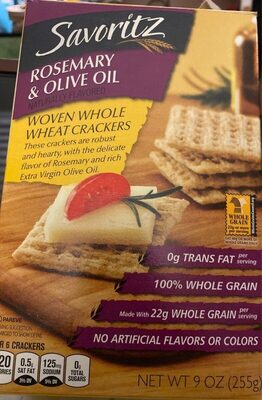
Rosemary & olive oil
Halal Analysis
We recommend searching for certified Halal alternatives.
Pro Tip
Always double-check the label. Manufacturers change ingredients frequently without notice!