
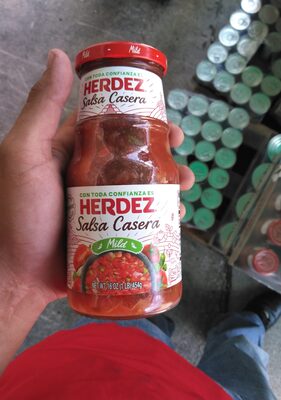
Is Salsa casera Vegan?
Yes, Salsa casera is vegan. Based on the standard ingredient list, this zesty tomato salsa relies entirely on plant-based ingredients and processing aids. While some salsas sneak in obscure additives, this recipe remains a safe and delicious choice for those avoiding animal products.
The Ingredient Breakdown
When determining if a product like Salsa casera is suitable for a vegan diet, we have to look beyond the obvious vegetables. The main components—tomatoes, onions, serrano and jalapeno peppers, and cilantro—are unequivocally plants. However, as a food scientist, I look at the processing aids that hold the jar together.
The first potential red flag for vegans is often pectin. Pectin is a structural polysaccharide found in the cell walls of plants, specifically fruits. While some commercial pectin historically used gelatin (an animal product) as a carrier, the pectin used in modern mass-market salsas is almost exclusively derived from citrus peels or apple pomace. Therefore, it is plant-derived.
Next, we see citric acid and calcium chloride. Citric acid is used to acidify the salsa, ensuring safety and flavor, and is produced through the fermentation of molasses or corn—definitely vegan. Calcium chloride is a salt used to maintain the firmness of the tomatoes, preventing them from turning into mush during the canning process. It is mineral-based and poses no animal concerns. With no hidden animal-derived flavorings or colorings, the ingredient profile is clean.
Nutritional Value
From a nutritional standpoint, Salsa casera is a low-calorie condiment, making it an excellent addition to a vegan diet which often emphasizes whole plant foods. A typical serving contains negligible fat, as the recipe relies on fresh vegetables rather than oils or creams. The calorie count is very low, usually under 10 calories per serving, primarily coming from the natural sugars in the tomatoes and onions.
It fits well within most dietary limits, including weight loss plans, because it adds significant flavor without adding caloric density. The sodium content is the only metric to watch; like most jarred salsas, it contains added salt for preservation. However, compared to creamy dips or cheese-based sauces, it is a vastly healthier alternative for flavor enhancement.
Frequently Asked Questions
Does Salsa casera contain dairy or gluten?
Is Salsa casera good for weight loss?
Where can I buy Salsa casera?
Is Salsa casera safe for kids?
Pro Tip
Always double-check the label. Manufacturers change ingredients frequently without notice!