
Is Saltines Vegan? A Food Scientist's Deep Dive
The short answer is: **Maybe**. While Saltines lack obvious animal products like milk or eggs, strict vegans must scrutinize the sugar and processing aids. This analysis breaks down why your standard box of crackers sits in a gray area of the vegan diet.
The Ingredient Breakdown
When analyzing a classic Saltine cracker, the ingredient list appears deceptively simple, but as a food scientist, I look for the hidden complexities. Let's examine the components that determine whether this cracker is truly plant-based.
First, the base ingredients are largely vegan-friendly. Enriched Flour (wheat flour, malted barley flour, and vitamins) provides the structure, while Water and Yeast create the dough's rise. Soybean Oil supplies the fat content, and Salt and Baking Soda provide the flavor and the signature 'snap.' These are standard, plant-derived staples.
The controversy begins with Sugar. In the United States, a significant portion of refined sugar is processed using bone char—a filter media made from the bones of cattle. While the bone char doesn't end up in the final product, the processing method renders the sugar non-vegan for many strict adherents. Unless the manufacturer explicitly states they use 'organic,' 'unrefined,' or 'beet sugar,' this ingredient is a major red flag.
Finally, we have Ammonium Sulfate. While this is a synthetic chemical salt (used as a dough conditioner), it is technically inorganic and mineral-based, making it vegan-friendly despite sounding harsh. However, the TBHQ (tert-Butylhydroquinone) in the soybean oil is a synthetic antioxidant derived from petroleum distillates, which, while not animal-derived, is a point of contention for 'whole food' vegans.
Nutritional Value
From a nutritional standpoint, Saltines are a source of quick energy but lack significant micronutrients. A standard serving (roughly 5 crackers) contains approximately 60-70 calories, derived almost entirely from refined carbohydrates and a small amount of fat from the soybean oil.
The sodium content is the most critical factor here. Saltines are high in salt, often containing 150-200mg per serving. While this fits within diet limits for the average person, those monitoring blood pressure or following a low-sodium diet should be cautious. The sugar content is relatively low (usually less than 1g), but because of the bone char processing mentioned earlier, it impacts the vegan status more than the nutritional profile.
Frequently Asked Questions
Does Saltines contain dairy or gluten?
Is Saltines good for weight loss?
Where can I buy Saltines?
Is Saltines safe for kids?

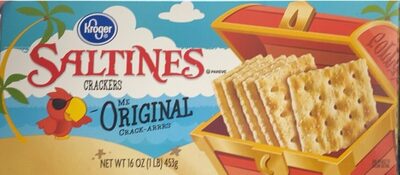
Saltines
Vegan Analysis
We recommend searching for certified Vegan alternatives.
Pro Tip
Always double-check the label. Manufacturers change ingredients frequently without notice!