
Is Salty Peanut Protein Bar Vegan?
No, the Salty Peanut Protein Bar is not vegan. While it features delicious peanut ingredients, a look at the label reveals several animal-derived components. Specifically, the presence of milk powder and hydrolyzed collagen firmly places this bar in the non-vegan category.
The Ingredient Breakdown
As a food scientist, I analyze ingredients to determine their origin. For the Salty Peanut Protein Bar, the verdict is clear: it is not suitable for a vegan diet. The primary culprits are hidden within the chocolate coating and the protein blend.
The most obvious offender is whole milk powder. This is a standard dairy ingredient derived from cow's milk. It is often used in protein bars to improve texture and add a creamy mouthfeel, but it is strictly off-limits for vegans. You will also find hydrolyzed collagen listed. Collagen is a structural protein found in the connective tissues of animals, typically sourced from cows, pigs, or fish. It is added for joint health benefits, but it is entirely animal-based.
Furthermore, the chocolate coating and the unsweetened chocolate are significant red flags. High-quality chocolate almost always contains milk fat or milk solids to temper the bitterness of cocoa. Unless a chocolate product is explicitly labeled 'dairy-free' or 'dark chocolate' with a high cacao percentage (usually 70%+), assume it contains milk. In this bar, the inclusion of cocoa butter alongside milk powder confirms the dairy content.
Finally, we must address the natural and artificial flavors. While 'natural flavors' can be plant-derived, they can also come from animal sources like dairy or meat. Because the bar already contains explicit dairy ingredients, the natural flavors here are likely contributing to that dairy profile rather than replacing it.
Nutritional Value
From a nutritional standpoint, the Salty Peanut Protein Bar is a calorie-dense, high-protein snack. The inclusion of peanut paste and roasted peanut pieces provides a solid base of healthy fats and plant-based protein. However, the bar relies heavily on sweeteners to achieve its taste profile. It uses a combination of erythritol (a sugar alcohol) and sucralose (an artificial sweetener) to keep the sugar content low while maintaining sweetness. This makes it a lower-carb option compared to traditional candy bars, but the artificial sweeteners may cause digestive upset in sensitive individuals. The protein count is likely impressive, but the source is a mix of peanut and potentially whey (hidden in the milk powder), making it a 'dirty' protein source for those avoiding dairy entirely.
Frequently Asked Questions
Does Salty Peanut Protein Bar contain dairy or gluten?
Is Salty Peanut Protein Bar good for weight loss?
Where can I buy Salty Peanut Protein Bar?
Is Salty Peanut Protein Bar safe for kids?
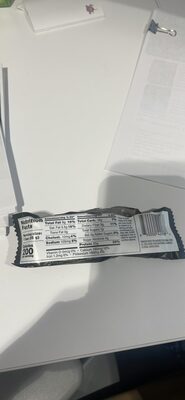
Salty Peanut Protein Bar
Vegan Analysis
We recommend searching for certified Vegan alternatives.
Pro Tip
Always double-check the label. Manufacturers change ingredients frequently without notice!